
Venture into a realm where exactitude dances with groundbreaking ideas. Here, raw components morph into resilient, chic flooring, gracing abodes and emporiums globally. Welcome, then, to the world of SPC Flooring Factories. This manual provides a comprehensive peek into SPC flooring’s creation. It gives acute observations regarding processes, crucial players, and vital aspects for procurement. Discover all there is to know concerning SPC Flooring Factories and their operational cadence.
What is SPC Flooring?
SPC flooring, frequently dubbed rigid core vinyl, emerges as a remarkably stalwart flooring selection. It is celebrated for its outstanding fortitude, imperviousness to water, and strikingly authentic wood or tile imitations. The “SPC” acronym signifies Stone Polymer Composite, hinting at a core forged from pulverised limestone, polyvinyl chloride, and stabilising agents. This singular blend ensures noteworthy stability and resistance against indentations, outperforming conventional vinyl. The SPC flooring global market reached $8.7 billion back in 2022. Predictions show it soaring to $15.2 billion by 2031. A significant annual growth rate of 6.4% is anticipated from 2023 forward.
Here’s a breakdown:
- Wear Layer: An unblemished shield, fending off scrapes, blemishes, and the relentless march of time. Thickness typically spans 0.3mm to 0.7mm, with heftier layers amplifying resilience.
- Vinyl Layer: The visual artist, flaunting the flooring’s charm, mirroring wood, stone, or tile through crisp imagery.
- SPC Core: The unwavering bedrock, bestowing stability and watertight integrity. Thickness commonly measures 4mm to 6mm.
- Underlayment (Optional): Select SPC floors boast a pre-attached underlayment, amplifying comfort and muffling sound.
The Manufacturing Process in SPC Flooring Factories: A Detailed Overview
SPC flooring’s odyssey, from inception to final form, encompasses a string of elaborate maneuvers. Raw materials undergo meticulous preparation. Packaging is completed with exacting care. Each stage matters. Grasping these phases empowers astute purchasing choices.
1. Raw Material Preparation and Mixing
It starts with picking and prepping the raw materials. Think PVC resin, limestone powder, and stabilisers. Material quality shapes the final flooring’s performance. Premium PVC resin boosts flexibility and impact resistance. Limestone powder? It fortifies core strength and stability. Specialised equipment carefully weighs and blends these components. The goal: a uniform concoction vital for consistent excellence. Typically, the core melds roughly 60% limestone powder, 30% PVC, and 10% stabilisers.
2. Extrusion of the SPC Core
The homogenous blend then funnels into an extruder. This marvel heats, compresses, and coerces the material through a die. A continuous sheet emerges, the SPC core’s foundation. Temperature and pressure are finely tuned. The aim: uniform density and thickness. Extrusion speeds usually hit 10 to 20 meters per minute. Adjustments hinge on the desired core thickness. Online monitors perpetually gauge thickness. They maintain dimensional precision. Errant deviations, a mere 0.05mm, can birth uneven flooring.
3. Lamination of the Decorative Layer
The decorative layer steps in, bestowing the flooring’s aesthetic allure. Heat and pressure laminate it to the SPC core. This layer, often a printed vinyl film, mirrors wood, stone, or tile with stunning fidelity. Exact alignment and heat regulation stand paramount. They ensure a robust bond, thwarting bubble formation or unsightly creases. Temperatures generally waver between 150°C and 180°C. Notable SPC Flooring Factories harness automated lamination lines. Infrared heaters assure consistent heating and optimum bonding.
4. Application of the Wear Layer
A see-through wear layer now shields the decorative layer. It protects against scratches, blemishes, and the daily grind. Typically crafted from PVC with polyurethane (PUR) coating, it’s laminated via hot pressing. UV-cured wear layers endure roughly 30% more abrasion than their untreated peers. Wear layer thickness dictates the flooring’s lifespan. For commercial applications, aim for at least 0.5mm. Its also worth noting that new UV treatment technologies can further bolsters the wear layer’s resilience with different functionalities.
5. Cutting and Profiling
Post-lamination, precision cutting machines slice the SPC flooring into planks or tiles. Edges then undergo profiling. Interlocking designs, often click-lock, facilitate easy installation. Precision reigns supreme. It ensures a snug, gap-free fit. Cutting tolerances usually hover within 0.1mm. Automated tools, brandishing diamond-tipped blades, forge enduring, interlocking edges.
6. Quality Control and Testing
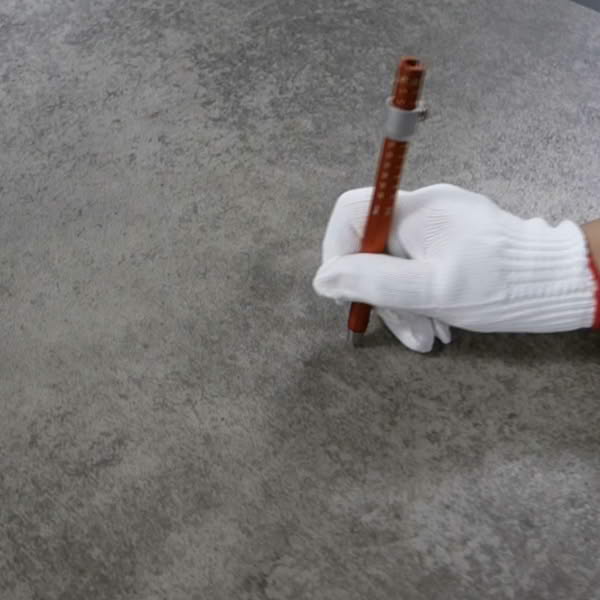
Throughout creation, quality control inspections happen constantly. The aim: flooring that hits specified standards. These checks span visual sweeps, dimensional checks, and performance trials. Samples from each output endure tests. They assess wear, stain, and water resistance, along with dimensional steadfastness. Common tests: Taper abrasion, boiling water, and heat exposure. The flooring must match or best industry benchmarks, such as ASTM F1700 for resilient flooring. Imperfect products get pulled from the line, never reaching consumers. SPC Flooring Factories frequently wield statistical process control (SPC) wizardry. They track data and pinpoint patterns that signal looming trouble.
7. Packaging and Warehousing
Finished SPC planks or tiles get wrapped with care. This shields them from harm during transit and storage. Protective films, cardboard fortresses, and pallets stand guard. This barricade prevents scratches, dents, and handling woes. The packaged flooring then resides in a warehouse, awaiting its journey. These warehouses often regulate climate. They ward off moisture and temperature swings that could imperil the flooring. Inventory systems monitor stock. They ensure timely fulfillment.
Key Factors to Consider When Choosing an SPC Flooring Factory
When picking the right SPC flooring factory, it’s essential to secure quality, reliability, and competitive costs. Considering these points when weighing potential SPC flooring factories and suppliers:
1. Factory Size and Production Capacity
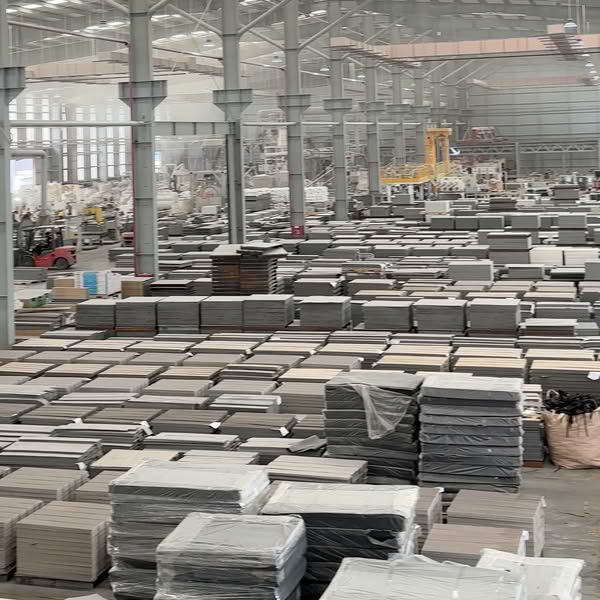
A factory’s scale and output reveal its capabilities. They show its power to grow alongside your demands. Larger factories, armed with multiple production lines, often manage big orders and tight deadlines more adeptly. Assess their monthly output against your anticipated needs. Ideally, factories should hum at 80% capacity or less. This allows breathing room for demand surges. Verify their speed to ramp up production, if needed. Some factories can double output within months, adding shifts or lines.
2. Manufacturing Equipment and Technology
A factory’s gear shapes its flooring’s quality and consistency. Seek factories wielding modern, automated machinery and advanced tech. Think thickness monitors, infrared heaters, and precision cutters. Automation minimizes human slip-ups and boosts consistency. Real-time monitors offer instant feedback. Operators can adjust as needed. Factories that bet on research and development often spearhead innovation. They offer cutting-edge marvels. Ask about their R&D might and their record of introducing novel products.
3. Quality Control and Certifications
A strong quality control fortress ensures flooring meets required standards. Hunt for factories flaunting a robust quality management system, like ISO 9001. This badge proves the factory embraces processes for quality assurance, process management, and ceaseless betterment. Verify they routinely test their wares against industry yardsticks, like ASTM F1700. Request test reports and certifications. Validate compliance. Embark on site visits. Observe their quality control rituals firsthand. Note cleanliness, workflow, and worker diligence. Orderly factories tend to churn out superior goods.
4. Raw Material Sourcing and Traceability
Top-notch flooring sprouts from quality prime raw materials. Probe the factory’s sourcing habits. More favorable factories will source materials from reputable suppliers. Verify the quality of incoming goods. Confirm they track materials throughout creation. This aids in spotting and solving issues. Request material data sheets. These blueprints reveal composition and properties.
5. Customization Options and Flexibility
Your vision might crave specific colours, designs, or specifications. Gauge a factory’s customisation prowess. Does it bend to your distinct needs? Check if they offer bespoke product solutions. Some factories harbour more designs than others. They can also conjure product specifications that are tailored to your needs. Ask about minimum order sizes for different existing products. Confirm they can juggle your packaging and labelling requirements. Bespoke packaging can help your goods gleam in the marketplace.
6. Pricing and Payment Terms
Cost matters when picking a flooring ally. Snag quotes from many factories. Compare their prices. Ensure you’re weighing equivalent elements: quality, specs, and volumes. Grasp their pricing dance and extra charges. Haggle over payment schedules. Typical arrangements: deposits, then final payments upon delivery. Mull over a letter of credit. This fortifies finances. It releases funds once terms are met.
7. Communication and Service
Crystal-clear communication and steadfast support cement robust bonds. Gauge how responsive and helpful the factory acts when addressing questions and worries. Check for dedicated customer service squads. They should bolster you throughout the ordering saga. Seek references from fellow customers. Size up their track record. Visit the factory. Meet the crew. Assess their service caliber firsthand. Factories prioritizing customer delight are often reliable partners.
The Future of SPC Flooring Manufacturing
The SPC flooring realm evolves relentlessly. Fresh tech and innovations constantly refine quality, sustainability, and efficiency. Prime keys thats shaping SPC flooring industry’s development trends:
1. Enhanced Wear Layer Technologies
Manufacturers hatch new wear layer tech to amplify scratch and wear defiance. This includes avant-garde coatings, such as nano-ceramics. They bestow exceptional protection against the daily wear. Nano-ceramic sheaths can elevate scratch resistance by 50% versus conventional films. Self-healing wear layers also emerge. They mend minor scrapes automatically. These leaps lengthen flooring lifespans and slash upkeep expenses.
2. Improved Printing and Design Capabilities
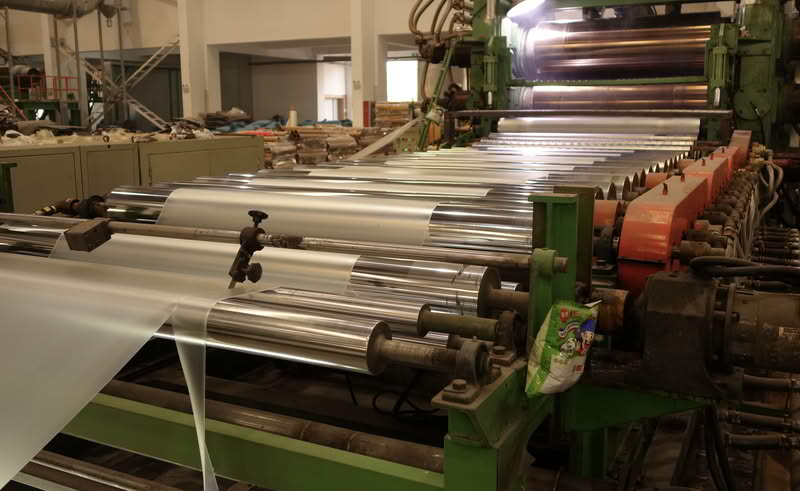
Printing tech breakthroughs empower manufacturers to birth more lifelike, visually arresting designs. High-resolution printing, using tricks like digital printing, spawns intricate patterns. They mirror wood or stone’s guise. Digital printing unleashes up to 16 million hues. It grants matchless design adaptability. Embossed-in-register (EIR) tech sculpts textures that echo the printed design. It boosts realism. These innovations elevate SPC flooring as a tempting rival to old-school flooring choices.
3. Sustainable Manufacturing Practices
Sustainability gains traction among consumers and creators alike. SPC Flooring Factories embrace sustainable habits. They shrink their ecological wake. This spans recycled materials. Some factories now infuse up to 30% recycled PVC into their core. Water-based coatings curtail VOC emissions. Initiatives that trim waste and boost energy frugality further lessen SPC flooring’s environmental pawprint. Some facilities even tap solar power.
4. Automation and Robotics
Automation and robotics pervade SPC Flooring Factories. They sharpen productivity, slash labor levies, and hone quality. Automated lines manage material tasks: mixing, extruding, laminating, and packaging. Robots tackle repetitive chores. They mitigate errors and injuries. Automated inspection eyes detect flaws early. Only top-tier wares reach consumers. Overall, these tech marvels vastly uplift SPC manufacturers’ efficiency and bottom lines.
5. Smart Flooring Technologies
Smart tech weaves its way into SPC flooring. This trend may revolutionize the flooring sphere. These floors embed sensors. They gauge factors like temperature, moisture, and pressure. The data can fine-tune building management, detect leaks, and lift energy thrift. Smart floors can also guide folks through buildings. The smart flooring sector will burgeon. Demand surges for smart homes and buildings. A MarketsandMarkets report forecasts the global smart floor market scaling to .8 billion by 2026.
Conclusion
Picking an SPC Flooring Factory demands careful thought. Factory size, equipment, quality control, raw materials, customization, pricing, and communication all deserve consideration. Grasping the SPC flooring creation process and key industry trends empowers informed choices. By championing quality, sustainability, and innovation, you secure triumph. You forge a mutually rewarding alliance with your flooring supplier. SPC flooring’s future gleams brightly. Continued tech and sustainability strides birth superior wares and methods.