
Luxury Vinyl Flooring (LVF) is a durable, stylish, and cost-effective alternative to traditional flooring options. It offers the aesthetic appeal of hardwood or stone with enhanced resilience. This guide benefits homeowners, interior designers, and contractors seeking a versatile flooring solution. Here’s how to choose the right LVF: 1) Assess your needs and budget. 2) Explore different LVF types and styles. 3) Consider installation and maintenance requirements. Quick tip: Always order extra material to account for waste during installation.
Definition / Direct Answer
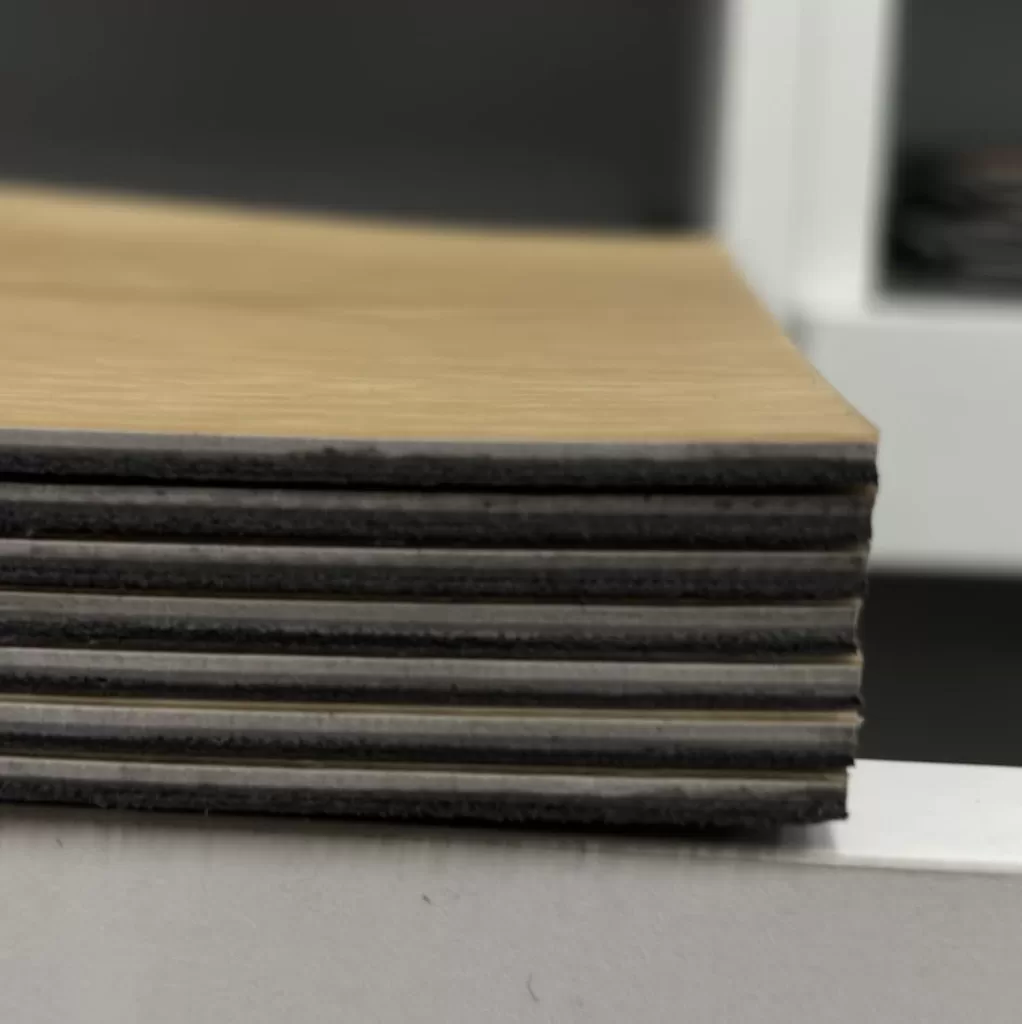
Luxury Vinyl Flooring (LVF) is a type of resilient flooring designed to mimic the look of natural materials like wood or stone, while offering enhanced durability and water resistance. It’s composed of multiple layers, including a wear layer, a print layer, and a backing layer.
Simple Explanation
Here is the simple explanation: LVF is like a super-durable sticker for your floor. It looks like wood or tile, but it’s much easier to take care of and can handle spills and heavy foot traffic without getting damaged easily. It’s a great option if you want the look of expensive flooring without the high price tag or maintenance.
Why It Matters (benefits)
LVF matters because it offers a compelling blend of aesthetics and practicality. Here are some key benefits:
- Durability:LVF is highly resistant to scratches, dents, and stains, making it ideal for high-traffic areas. According to a report byStatista, the resilient flooring market, which includes LVF, is experiencing significant growth due to its durability.
- Water Resistance:Many LVF options are waterproof, making them suitable for bathrooms, kitchens, and basements.
- Cost-Effectiveness:LVF is generally more affordable than hardwood or natural stone.
- Easy Installation:LVF can be installed using various methods, including click-lock, glue-down, and loose-lay.
- Low Maintenance:LVF requires minimal upkeep, typically just sweeping and occasional mopping.
- Design Versatility:LVF is available in a wide range of styles, colors, and patterns.
Framework or Step-by-Step Process
Here is the framework for selecting and installing LVF:
- Assess Your Needs:Determine the specific requirements of the space where the LVF will be installed. Consider factors such as foot traffic, moisture levels, and aesthetic preferences.
- Set a Budget:Establish a realistic budget for the project, including the cost of materials, installation, and any necessary subfloor preparation.
- Explore LVF Options:Research different types of LVF, such as LVT (Luxury Vinyl Tile) and LVP (Luxury Vinyl Plank), and compare their features and benefits.
- Choose a Style:Select a style that complements the overall design of the space. Consider factors such as color, pattern, and texture.
- Prepare the Subfloor:Ensure that the subfloor is clean, level, and dry before installing the LVF. According to theBuildings.com, proper subfloor preparation is critical for flooring success.
- Install the LVF:Follow the manufacturer’s instructions for installing the LVF. Use the appropriate tools and techniques for the chosen installation method.
- Maintain the LVF:Regularly sweep or vacuum the LVF to remove dirt and debris. Mop as needed with a mild detergent.
Examples
Here are some real-world examples of how LVF can be used:
- Residential Kitchen:Installing waterproof LVP in a kitchen to create a durable and easy-to-clean surface that mimics the look of hardwood.
- Commercial Office:Using LVT in a high-traffic office space to provide a stylish and resilient flooring solution that can withstand heavy foot traffic.
- Bathroom Renovation:Opting for LVF in a bathroom to create a waterproof and aesthetically pleasing floor that is resistant to mold and mildew.
Tools / Methods / Types
Types of Luxury Vinyl Flooring
- Luxury Vinyl Tile (LVT):Replicates the look of ceramic or stone tile.
- Luxury Vinyl Plank (LVP):Mimics the appearance of hardwood flooring.
- Sheet Vinyl:Comes in large rolls, providing a seamless flooring solution.
Installation Methods
- Click-Lock:Planks or tiles interlock together, creating a floating floor.
- Glue-Down:Planks or tiles are adhered to the subfloor with adhesive.
- Loose-Lay:Planks or tiles are installed without adhesive, relying on their weight and friction to stay in place.
Essential Tools
- Measuring Tape:For accurate measurements.
- Utility Knife:For cutting planks or tiles.
- Tapping Block and Mallet:For securing click-lock installations.
- Adhesive (for Glue-Down):Follow manufacturer’s recommendations.
- Level:To ensure a level subfloor.
Comparison Table
| Feature | Luxury Vinyl Flooring (LVF) | Hardwood Flooring | Ceramic Tile |
| Durability | High | Moderate | High |
| Water Resistance | High (Waterproof Options) | Low | High |
| Cost | Moderate | High | Moderate to High |
| Maintenance | Low | Moderate | Low |
| Installation | Easy to Moderate | Moderate to Difficult | Difficult |
Common Mistakes
Avoid this: Overlooking subfloor preparation. A level and clean subfloor is crucial for a successful LVF installation. According to theBob Vilawebsite, proper subfloor preparation can extend the life of your flooring.
Avoid this: Using the wrong adhesive. Always use the adhesive recommended by the LVF manufacturer.
Avoid this: Not acclimating the LVF. Allow the LVF to acclimate to the room’s temperature and humidity for at least 48 hours before installation. Many flooring manufacturers recommend acclimation periodsWagner Meters.
How to Choose (if applicable)
When choosing LVF, consider the following factors:
- Wear Layer:A thicker wear layer provides greater protection against scratches and wear. For high-traffic areas, opt for a wear layer of at least 20 mil.
- Core Type:Different core types offer varying levels of water resistance and stability. SPC (Stone Plastic Composite) cores are known for their rigidity and waterproof properties.
- Installation Method:Choose an installation method that is appropriate for your skill level and the specific requirements of the space.
- Style and Design:Select a style that complements the overall design of your home or business.
- Budget:Balance your desired features and aesthetics with your budget constraints.
FAQs
What is the difference between LVT and LVP?
LVT (Luxury Vinyl Tile) is designed to mimic the look of stone or ceramic tile, while LVP (Luxury Vinyl Plank) replicates hardwood flooring.
Is LVF waterproof?
Many LVF options are waterproof, making them suitable for moisture-prone areas.
How do I clean LVF?
Sweep or vacuum regularly to remove dirt and debris. Mop as needed with a mild detergent.
Can LVF be installed over existing flooring?
In many cases, LVF can be installed over existing flooring, provided that the subfloor is level and in good condition.
How long does LVF last?
With proper care and maintenance, LVF can last for 10-20 years or more. According to theInternational Association of Certified Home Inspectors, LVF is a durable flooring option for most homes.
Is LVF suitable for high-traffic areas?
Yes, LVF is highly durable and resistant to scratches and dents, making it ideal for high-traffic areas.
What is the best wear layer for LVF?
For residential use, a wear layer of 12-20 mil is generally sufficient. For commercial use, opt for a wear layer of 20 mil or higher.
How much does LVF cost?
The cost of LVF varies depending on the type, style, and brand. On average, LVF costs between $2 and $7 per square foot. According toRemodelingCalculator.org, the cost of LVF installation averages between and per square foot.
Can I install LVF myself?
Yes, many LVF options are designed for DIY installation, particularly click-lock systems.
What is SPC core?
SPC (Stone Plastic Composite) core is a rigid and waterproof core material used in some LVF products.
Short Summary
Luxury Vinyl Flooring offers a durable and stylish alternative to traditional flooring with benefits like water resistance and easy maintenance. Choosing the right LVF involves assessing your needs, selecting a style, and ensuring proper installation. With its versatility and cost-effectiveness, LVF is a popular choice for both residential and commercial spaces.