
This report provides Curtain and Fabric Brands with essential guidance for developing sales channels in France’s market, covering market trends, business operations, major trade shows, and post-exhibition strategies. It emphasises compliance with EU standards, circular economy principles, and practical logistics for exporting architectural materials to Europe.
Circular Economy and Market Context
Circular economy has fundamentally reshaped France’s fabric materials market since the Circular Economy Law took effect in February 2020. The framework targets 100% plastic recycling by 2025 and requires phased implementation across all product categories.
A landmark regulation, the Clothing Waste Prohibition Law (January 2022), banned the incineration and landfilling of unsold new apparel—making France the first nation globally to regulate inventory disposal in textiles. Both luxury brands and emerging designers now actively engage in reuse, recycling, repair, and donation programs. This regulation, while initiatively targets the fashion and clothing industry, are also highly relevant to the curtain fabrics industries.
France aims to achieve carbon neutrality by 2050, positioning itself as Europe’s decarbonisation leader and fossil-fuel transition pioneer. Materials must now meet dual criteria: environmental responsibility and functional beauty within circular economy frameworks.
Diversified Natural Material Innovations
Sustainable material development has accelerated dramatically. Common innovative materials now include linen, recycled fishing nets, seaweed-based textiles, grain residue, shell waste, and mycelium-based composites.
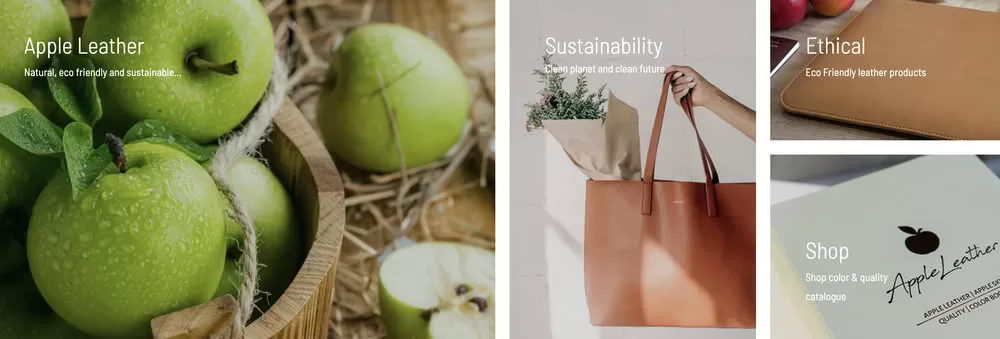
Synthetic leather industry for example shows particularly strong growth in the leather market, replacing synthetic alternatives (PVC) with chemical-free options derived from natural cork, mushroom mycelium, cactus, apple, grape, and pineapple.
The 2024 interior design trend positions material selection as the primary driver of aesthetic and atmosphere. Timeless materials – eco-friendly cork, lustrous metals, noble stone, delicate glass, and natural wood—now define healthy, emotionally enriching interiors over trend-chasing designs.
Critical Technical Requirements for EU Market Entry
European Compliance and Technical Documentation
The foundation of successful market entry is demonstrating EU standards compliance through credible evidence, not marketing materials. Technical data sheets (fiches techniques) are mandatory for construction materials sold in France, verifying safety compliance and product reliability.
Best practice: Present at least preliminary technical data, with official test results from reputable inspection bodies submitted. If the testing results is in non-English language, make sure to translate the documents into English or French.
Fire Safety Classification (Non-Combustibility Ratings)
France applies different fire-scenario assumptions than Japan, requiring careful attention to combustion testing methodology.
The French / EU non-combustibility rating system ranks materials from M0 (non-flammable) to M4 (easily flammable):
| Classification | Rating | Defination |
|---|---|---|
| Non-combustible | M0 | Incombustible |
| Difficult to ignite | M1 | Difficilement inflammable |
| Moderately flammable | M2 | Moyennement inflammable |
| Easily flammable | M3 | Facilement inflammable |
| Highly flammable | M4 | Très inflammable |
Strategic value: Obtaining French or EU non-combustibility certification significantly strengthens market position and drives European contracts. Certification costs vary by test conditions; local material agents can handle complex procedures.
Key certifying bodies include CSTB (Centre Scientifique et Technique du Bâtiment) and LNE (Laboratoire National de Métrologie et d’Essais).
Export Logistics and Operational Considerations
Shipping and Transport Strategy
Shipping costs can exceed product value, rendering deals unviable. Optimize through modular assembly designs and, long-term, establish European warehouses for intra-EU land transport. Ocean freight takes 2.5 months; plan accordingly for delivery timelines.
Trade Documentation: EPA, EORI, and HS Codes
EORI numbers (importer business registration identifiers) are mandatory on all EU invoices to prevent illegal cargo movement. Verify importer or local forwarding agent possession before shipment.
HS codes (statistical item numbers) must appear on all EU export invoices.
Plant Quarantine Exceptions
Natural materials—tatami, rush grass, straw, raw wood, dried timber—require phytosanitary clearance due to pest/disease risk. Exemptions include lumber, treated wood, wood crafts, bamboo products, rattan, cork, hemp bags, cotton textiles, paper, and fiber products.
Payment Terms and Customization
Unlike retail, material orders often involve bespoke production with extended lead times (1 to 3+ months). Typical structure: 30–50% deposit at order, remainder on shipment or delivery. Payment flexibility and discounts may unlock deals.
Packaging and After-Sales Support
International transport demands robust packaging; damage and water infiltration are common in Europe. Number components, include assembly instructions, and coordinate end-to-end support with local partners and installers.
Maintenance: Environmental and climate differences (lower French humidity, mineral-rich water) cause unexpected damage—cracking, discoloration, misuse breakage. Educate buyers on product characteristics and maintain local service networks for repairs and replacement parts.
Exhibition Strategy
Building Buyer Profile through Exhibitions
Maison & Objet, Europe’s largest interior design fair (held twice yearly in Paris), attracts design-conscious exhibitors and buyers globally. Now in its 30th year, it rivals haute couture for design authority.
The PROJECTS sector targets creative solutions for interior design projects—new retail, hotel design, renovations, custom kitchens/baths, sustainable materials, artisanal craftsmanship, and cutting-edge technology. Visitors include interior designers, architects, and prescribers (decision-makers for luxury interiors and hospitality).
Booth Design Best Practices
Target buyers are professionals with high purchase intent, not retailers. Design to inspire imagination:
- Display tactile materials—allow handling
- Use LED lighting to highlight texture and color
- Prepare samples for take-away
- Show process visually—clarify sustainability steps via infographics or video
- Demonstrate storytelling—use monitors for brand/production narrative
Post-Exhibition Sales Continuity
Exhibition participation is a starting point, not the end goal. Avoid one-time spot orders; establish persistent local presence through samples, showrooms, or pop-up events.
“Face-to-face sales” infrastructure—responsive contact points, local agents, accessible samples—builds trust and repeat orders.
Material Libraries and Digital Channels
Architects and designers continuously source new materials via material libraries:
- Materio (Paris, Geneva, Prague, Seoul): Free for exhibitors; paid access for users; selection-based
- Material Bank (global; US-based): Free for users; paid exhibitor listing; overnight sample delivery; selection-based
These platforms efficiently connect products to decision-makers.
Paris-Based Material Trade Shows
| Fair | Timing | Audience | Scale |
|---|---|---|---|
| M1 Materials & Light | Annual spring, 2 days | Designers, architects, prescribers | Small specialist |
| Architect@work Paris | Annual fall, 2 days | Architects, prescribers, interior designers | Small specialist (17 European nations) |
| Les Rendez-vous de la Matière + fair(e) | Annual fall, 2 days | Interior designers, prescribers, architects | Small specialist |
| Equip Hotel | Biennial fall, 5 days | Hotel operators, interior designers | International |
| Batimat | Annual fall, 4 days | Building material professionals, contractors | International |