
Luxury vinyl plank flooring lives up to its reputation, featuring excellent durability, affordability, and aesthetics that made it a highly popular flooring choice for residentials. This vinyl plank flooring buying guide provide a board perspective and detailed information on luxury vinyl plank floorings for consumers.
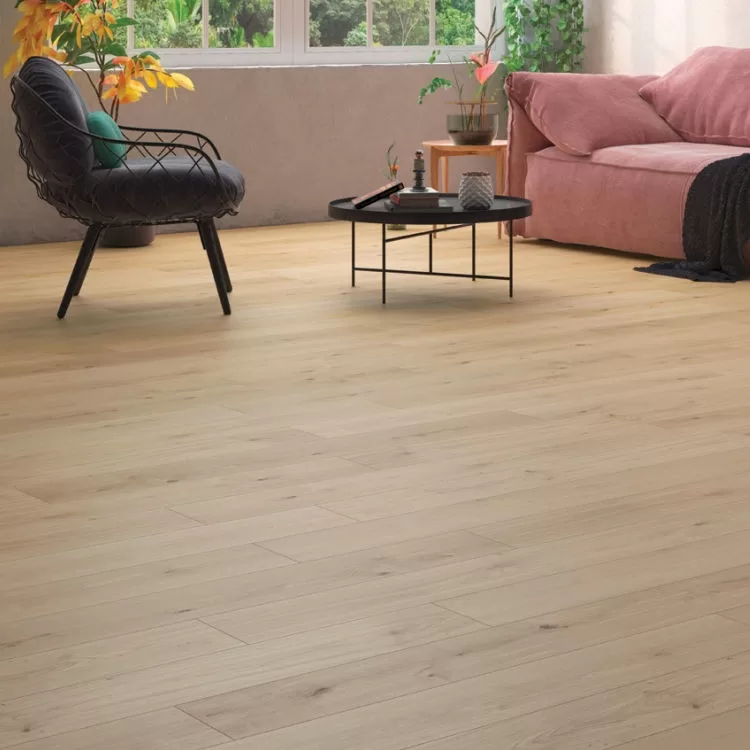
What Is Luxury Vinyl Plank Flooring?
Vinyl plank flooring has been a great flooring choice for upgrading residential home interiors with the latest design and colors. With increasing range of selections in vinyl plank flooring designs, anyone can easily find their ideal collections to fulfill their interior needs.
Vinyl tiles and planks also offer simpler installation options like “click & lock” or interlocking planks along with different edge and bevel options. Some of the more advanced edge designs includes the groutable bevel which turn vinyl planks into a highly authentic tile designs. Vinyl floorings offers designs that fully emulate hardwoods, natural stones, and ceramic tiles without additional costs. This feature has further made vinyl plank flooring ideal for renovation and remodelling projects.
Luxury vinyl plank or tiles are very budget friendly as they are very inexpensive from material costs and labour costs for installation. Rigid core SPC vinyl flooring is often selected for DIY home renovations due to easy installation, durable structure and easy to maintain.
Not All Vinyl Flooring Is the Same
There are wide range of luxury vinyl planks, each comes with differing composition formula and structural designs. As a consumer, understanding the difference between different types of vinyl flooring is essential to select the ideal type of vinyl floorings:
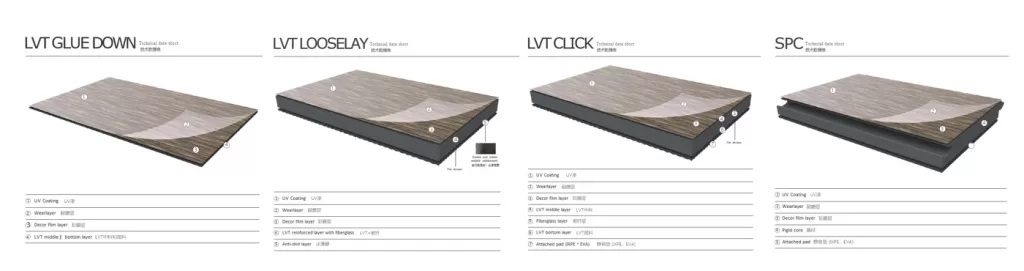
- Luxury Vinyl Plank – Known as LVP, this is a durable, flexible, and water-resistant (or waterproof) flooring. Available in numerous pattern designs such as wood, stone, and even carpet styles. Different type of underlayment can also be added to improve the comfort of flooring. EVA, IXPE, or Cork are some of the more common types of underlayments. Whether its dryback LVT, loose lay LVT, click LVT, or click SPC, all falls within the luxury vinyl plank category.
- Engineered Vinyl Plank – Often called EVP, it resembles hardwood using a narrow, long plank shape in varying widths. Create a natural hardwood look by combining EVP planks of various lengths, widths, patterns, and colors, capitalizing on rigid core durability, ease of cleaning, and water resistance.
- Engineered Vinyl Tile – Engineered vinyl tile (EVT), with its square shape and designs mimicking stone, wood, marble, or ceramic, can be installed edge-to-edge for a seamless appearance or with grout to mimic authentic tile.
- Sheet Vinyl Flooring– Sheet vinyl is the traditional method to cover large areas, removing the need to lay individual pieces or match patterns of repeating tiles which makes it convenient. It is heavily impacted by the condition of the floor beneath it and is best suited for smooth, even surfaces.
Benefits of Vinyl Plank Flooring
Luxury vinyl flooring is a flexible design choice which provides either a lasting design statement, or a short term decorative alteration. Interlocking pieces that “float” over the floor stay locked together until deliberately removed. Luxury vinyl planks can be installed over bare floors, padded flooring, or even existing floors like tile, wood, and stone. Select LVP can also be applied to walls as durable accents.
Luxury vinyl planks (LVP) are made in layers (similar to laminate). A protective finish tops several layers of compressed vinyl which seals a hardboard core and is completed with underlayment backing. Cork or felt adds an extra layer of comfort beneath each step making the floor warmer than cold tile while absorbing sound and reducing noise.
Both EVT/EVP are often water resistant making them suitable for damp environments where exposure to spills, pets, and inclement weather are typical. Look for truly waterproof LVP/EVT/EVP for high moisture areas; other products are developed for dry environments. Always check specifications prior to purchase to adequately match product features to lifestyle needs.
Design Styles of Vinyl Flooring
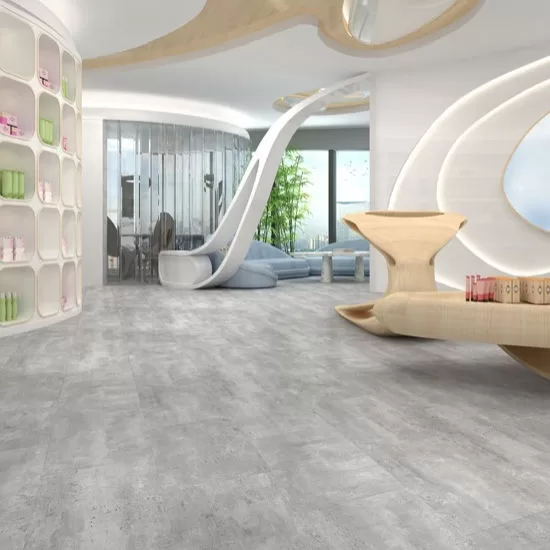
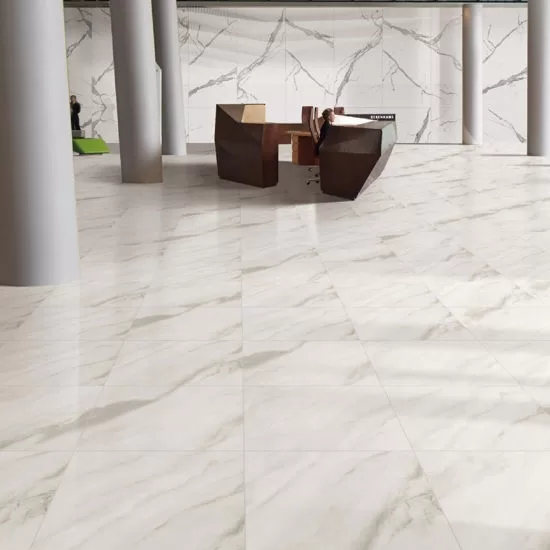
The most apparent benefit of luxury vinyl is its aesthetic flexibility. Because they display layered visuals and texture effects, it’s straightforward to select the design to match update designs. Luxury vinyl planks reliably and effectively imitate more difficult, and expensive, flooring materials. Higher quality, textured luxury vinyl tiles provide desired appearances and resist normal wear.
Styles to look for:
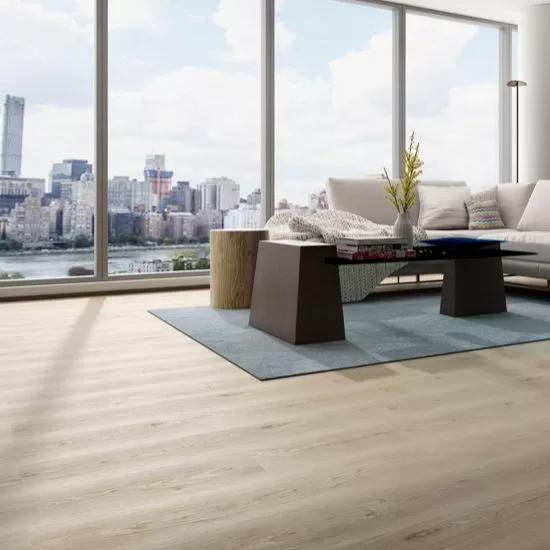
- Wood
- Stone
- Marble
- Concrete/Cement
- Ceramic/Porcelain
- Metal
- Carpet
What to Know Before Buying Luxury Vinyl Flooring
A durable vinyl floor generally provide up to 10 to 20 years of use which is within the life expectancy range for the same class of flooring options with similar price range. Flooring defines the foundation of interior designs and daily atmosphere. Therefore selecting the right flooring product and design can ensure it matches the intended aesthetic design features.
Price
Luxury vinyl plank and tile flooring can range from under 1 to 5 dollars per square foot prior to the cost of installation. Resilient vinyl flooring is one of the cheapest flooring options in floor covering. DIY installers can effective save money on material installations by investing installing the flooring themselves.
Alternative to Resilient Vinyl Flooring Options
Alternative flooring options can also provide excellent aesthetic designs and performance attributes. Though, each of these alternative flooring products has some tradeoffs in pricing, advantages, and disadvantages.
- Solid hardwood floors are recognized as the most desirable selection which adds value and status to a home. However, solid hardwood floorings has some disadvantages including higher material costs, more complex installation (which also translate to higher installation costs, and requires higher maintenance from scratch and repairs.
- Engineered hardwood just like hardwood flooring can increase house values due to its hardwood veneer structure. Engineering hardwood are slightly cheaper than solid hardwood floorings, and the performance attributes of the flooring planks are more suitable for wider range of environment conditions. However, it still has the same disadvantages over costs, installations, and maintenance.
- Laminate Flooring is another inexpensive flooring options. With similar price range to luxury vinyl planks, laminate flooring also have significant market share in entry and mid range priced floorings. Laminate flooring also comes with rapid installation locking system which needs less labour time in installation.
Quality of Resilient Vinyl Planks
Today’s vinyl plank flooring offers tremendous varieties in product specifications which offer different performance over its product lifetime. As a consumer, there are four major factors that you should look at. While these four criteria are basic elements to product makeup of vinyl planks, it in essence helps to define the quality of the vinyl flooring products.
- Core Thickness – As a floating floor, the thickness of the core is not highly relevant to the lifespan of the vinyl plank. However, by manufacturing point of view, a thicker core can provide more dimensional stability, and in practice also helps to keep the planks and flooring in position. Another reason for thicker core planks is to allow for thicker wear layer. Due to different expansion and contraction rate between wear layer composition and core layer composition, a thicker core layer can provide better support in balancing the expansion and contraction rate, hence with better dimensional stability.
- Wear layer – The wear layer thickness effectively protects underlying print layers and vinyl core that support the flooring’s overall stability and appearance. Luxury vinyl planks that feature 0.5mm (or more) in wear layer thickness provides adequate tolerance for commercial traffics. Selecting thicker wear layer specification ensures the best flooring product life time use.
- Installation System – Luxury vinyl planks comes with different installation methods. The installation methods is mostly associated with its installation system. For rapid click and lock installation, Unilin 2G or Valinge locking system is very common. There are also droplock system by I4F which is less common but also provide fast and easy installation for vinyl planks.
- Underlayment – Available with different compositions of cork, IXPE, or EVA, and commonly in 1mm, 1.5mm and 2mm thickness. Premium grade luxury vinyl planks might use cork as underlayment. For mid range vinyl floorings IXPE underlayments are more common. EVA is mostly used for entry range vinyl floorings.
- Surface Texture – Most standard vinyl flooring only comes with random deep embossed textures. When the flooring is under light reflections, it will display a texture that does not match the pattern designs of the vinyl planks. A more premium surface texture use precision embossing technique that delivers emboss in register (EIR) surface. This means the embossing surface match exactly to the pattern designs of the deco film, providing a higher authenticity in vinyl floorings.
Luxury Vinyl Flooring Installation Process
Prior to starting a flooring project, determine potential installation challenges at earlier time can improve the overall installation workflow. This information helps installers with some recommendations about general practices that better address potential concerns in flooring installations.
Ask some essential pre-survey questions:
- Will the product install on bare subfloor, or other material?
- Will an existing wood or tile flooring be act as an underlayment (or be directly overlaid)?
- What is the plane’s deviation (aka “slant”)?
Some vinyl products install over existing floorboards, or subfloors while others require specialized underlayment to stabilize the new material. Determine what (if any) preparatory work requires completion prior to placing the new materials.
Products install best across leveled, flat surfaces. Bumps, breaks, and uneven transitions stress products. Deviation can be particularly harmful to broader planks that cannot bend across slopes.
Prior to any purchase, precisely measure spaces incorporating wall-interruptions and potential obstructions. Square-footage product volumes are typically the metric units for sales and deliveries. Order additional boxes of materials to address replacements and provide a maintenance inventory.
Subfloor Moisture Concerns
When working with concrete, assess the moisture level. Excess dampness can cause mold. Consider moisture barriers that seal surface and optimize installation surfaces. Moisture can undermine click-lock products.
To check an intended floor’s moisture level, adhere some tile to the floor using tape. After a few days, ensure that the bond is stable. If moisture undermines the adhesive, the surface contains too much moisture and requires contractor assistance.
Installation Tips
When choosing to install on your own, consult product-specific manufacturer guides. Apply general best practices:
- To acclimate, inventory and store product boxes for 48 hours within the installation zone. This practice reduces stress on materials that can deform due to heat and cold while improving dimensional outcomes.
- Lay planks across a space to assess color patterns for desirable effects.
- Pre-cut floor planks based on accurate site measurements and design specifications.
- Utilizing spacers (and shims) leave adequate expansion-gaps across planks that improve the floor’s overall resistance to long-term seasonal deformation.
- Avoid hammering planks to mitigate potential groove damage.
- Comply with adhesive instructions during installations. Wait 48 hours after a glue-down to use the floors.
- Immediately use interlocking products without glue or adhesive tape applications.
Maintenance Tips for Resilient Vinyl Flooring
Remove dusts to prevent any abrasion from compromising product finishes. Treat cleaning differently versus alternative approaches.
Luxury vinyl planks requires no specialized sanding, refinishing, or wax sealant applications. Harsh chemical applications can damage the surfaces of LVP.
Employ these tips:
- Wait one full day after installations prior any cleaning which mitigates adhesive disruption.
- Use door rugs or mats to prevent surface scratches and abrasions.
- Use coasters to reduce load from desk legs and cabinets. The larger the furniture, the more surface area the coaster should engage.
- Light duty cleaning jobs require nothing more than soft bristled brooms.
- Vacuums can work if beater bars are deactivated.
- When cleaning, gently employ damp cloth or mop applications.
- Promptly remove accidental spills.
- Spot-cleaning involves using Apple Cider Vinegar (or standard alternative without residuals).
- Never use harsh detergents, strippers, or abrasives.