
Are you ready to elevate your interior design game with a flooring option that’s as stylish as it is durable? Herringbone vinyl flooring is taking interior flooring design trends by storm, offering a unique pattern that adds a touch of sophistication Herringbone Vinyl Flooringto any space. This flooring style isn’t just about looks; it combines the enduring charm of traditional herringbone with the modern benefits of vinyl composition, ensuring your floors can withstand the hustle and bustle of daily life. From living rooms to hallways, this trend is versatile enough to fit any decor while being low-maintenance and cost-effective.
In this ultimate guide, we’ll delve into the latest trends, explore the incredible benefits of herringbone vinyl flooring, and provide you with the inspiration you need to transform your space into a stunning showcase of style and functionality. Get ready to discover how this captivating design can redefine your home!
- What is Herringbone Vinyl Flooring?
- Key Trends in Herringbone Vinyl Flooring Design
- Benefits of Choosing Herringbone Vinyl Flooring
- Comparing Herringbone Vinyl Flooring to Other Flooring Options
- Installation Process of Herringbone Vinyl Flooring
- Maintenance Tips for Herringbone Vinyl Flooring
- Popular Color and Style Combinations
- Cost Considerations for Herringbone Vinyl Flooring
- Conclusion: Elevate Your Space with Herringbone Vinyl Flooring
What is Herringbone Vinyl Flooring?

Herringbone vinyl flooring is a type of flooring that replicates the traditional herringbone pattern, where rectangular pieces are laid out in a zigzag pattern. This unique arrangement creates a visual effect that is both dynamic and elegant, reminiscent of classic wooden parquet flooring. Unlike natural wood, however, herringbone vinyl flooring is made from polyvinyl chloride (PVC), a durable and flexible material that offers numerous advantages over traditional flooring options. The result is a versatile and stylish floor that can adapt to a variety of interior design styles, from modern chic to rustic charm.
One of the defining characteristics of herringbone vinyl flooring is its ability to mimic the look and feel of real wood while providing the enhanced durability and ease of maintenance that vinyl offers. This type of flooring comes in a wide range of colors and finishes, allowing homeowners to choose the perfect shade and texture to match their décor. Whether you prefer the look of rich, dark oak or the clean lines of whitewashed pine, herringbone vinyl flooring can deliver the aesthetic you desire without the drawbacks of natural wood, such as susceptibility to moisture and wear.
Furthermore, herringbone vinyl flooring is an excellent choice for those looking to achieve a high-end, sophisticated look on a budget. Vinyl is generally more affordable than hardwood, and its installation process is often simpler and less time-consuming. This makes it an attractive option for DIY enthusiasts and those seeking a cost-effective yet stylish flooring solution. With its combination of beauty, durability, and affordability, herringbone vinyl flooring is quickly becoming a popular choice for homeowners and interior designers alike.
Key Trends in Herringbone Vinyl Flooring Design
Herringbone vinyl flooring has seen a surge in popularity in recent years, and with that comes a variety of exciting design trends that cater to different tastes and styles. One of the most prominent trends is the use of bold, contrasting colors within the herringbone pattern. This can create a striking visual effect that draws attention to the floor and adds a sense of drama and sophistication to any room. For example, pairing a dark walnut hue with a lighter, grey-toned plank can create a stunning contrast that enhances the overall aesthetic of the space.
Another trend that has gained traction is the incorporation of mixed materials within the herringbone pattern. This involves combining vinyl planks with different textures and finishes to create a unique and personalized look. For instance, some designers are blending wood-look vinyl with stone-look vinyl to achieve a multi-dimensional effect that adds depth and interest to the floor. This approach allows homeowners to experiment with different textures and styles, resulting in a truly custom floor that reflects their individual taste and creativity.
Sustainability is also an increasingly important consideration in modern interior design, and this is reflected in the trends surrounding herringbone vinyl flooring. Many manufacturers are now offering eco-friendly options that use recycled materials and low-VOC (volatile organic compound) adhesives, making it easier for environmentally-conscious consumers to make responsible choices. Additionally, the rise of digital printing technology has enabled the production of highly realistic wood and stone patterns on vinyl planks, reducing the need for natural resources and minimizing environmental impact. These advancements ensure that herringbone vinyl flooring remains a stylish and sustainable choice for today’s discerning homeowners.
Benefits of Choosing Herringbone Vinyl Flooring
One of the most significant benefits of herringbone vinyl flooring is its exceptional durability. Vinyl flooring is known for its resistance to scratches, dents, and stains, making it an ideal choice for high-traffic areas such as living rooms, kitchens, and hallways. The protective wear layer on top of the vinyl plank acts as a shield against daily wear and tear, ensuring that your floor maintains its pristine appearance for years to come. This durability makes herringbone vinyl flooring a practical option for households with pets and children, where spills and accidents are more likely to occur.
In addition to its durability, herringbone vinyl flooring offers unparalleled ease of maintenance. Unlike natural wood floors, which require regular polishing and refinishing, vinyl floors can be easily cleaned with a simple sweep and mop. The water-resistant properties of vinyl also mean that you don’t have to worry about warping or damage from moisture, making it suitable for use in bathrooms and basements. This low-maintenance aspect is particularly appealing to busy homeowners who want beautiful floors without the hassle of extensive upkeep.
Another compelling benefit of herringbone vinyl flooring is its versatility in design. With a wide range of colors, textures, and finishes available, you can easily find a style that complements your existing décor or inspires a complete room makeover. The herringbone pattern itself adds a touch of elegance and sophistication, elevating the overall look of your space. Moreover, vinyl flooring can be installed over most existing subfloors, including concrete, tile, and even some types of hardwood, making it a flexible option for various renovation projects. This adaptability ensures that herringbone vinyl flooring can seamlessly integrate into any home, regardless of its design style or layout.
Comparing Herringbone Vinyl Flooring to Other Flooring Options
When considering new flooring, it’s essential to compare herringbone vinyl flooring to other popular options to determine the best fit for your needs. Hardwood flooring, for instance, is often regarded as the gold standard for its natural beauty and timeless appeal. However, hardwood floors can be expensive and require regular maintenance to keep them looking their best. They are also prone to scratches, dents, and water damage, which can be a concern in high-traffic or moisture-prone areas. In contrast, herringbone vinyl flooring offers a similar aesthetic to hardwood but with greater durability and lower maintenance requirements, making it a more practical choice for many homeowners.
Laminate flooring is another common alternative to vinyl. Like vinyl, laminate is designed to mimic the appearance of natural wood or stone, and it is generally more affordable than hardwood. However, laminate flooring is not as water-resistant as vinyl, which can limit its use in areas like kitchens and bathrooms. Additionally, while laminate floors are relatively easy to install, they can be less forgiving when it comes to surface imperfections, as they require a perfectly flat subfloor. Herringbone vinyl flooring, on the other hand, can be installed over a variety of subfloors and offers superior water resistance, making it a more versatile and durable option.
Tile flooring is also worth considering, particularly for its durability and water resistance. Ceramic or porcelain tiles can create a beautiful and long-lasting floor, but they can be cold and hard underfoot, which may not be ideal for all living spaces. Tile installation can also be labor-intensive and costly, especially when creating intricate patterns like herringbone. In comparison, herringbone vinyl flooring provides a similar visual impact with greater comfort and ease of installation. The softer, more forgiving surface of vinyl makes it more comfortable to walk on, and its straightforward installation process can save both time and money.
Installation Process of Herringbone Vinyl Flooring

Installing herringbone vinyl flooring can be a rewarding DIY project, or you can opt to hire a professional for a flawless finish. The first step in the installation process is to prepare the subfloor. Ensure that the surface is clean, dry, and free of any debris or imperfections. If necessary, use a leveling compound to smooth out any uneven areas. This is crucial for achieving a smooth and even installation, as any bumps or dips in the subfloor can affect the final appearance of the herringbone pattern.
Next, it’s time to plan the layout of your herringbone pattern. Begin by marking the center point of the room and drawing perpendicular lines to create a starting point for the pattern. This will help ensure that the herringbone design is symmetrical and evenly distributed across the floor. It’s a good idea to dry-lay a few rows of planks to get a sense of how the pattern will look and make any necessary adjustments before permanently adhering the vinyl planks. This step is particularly important for achieving a professional-looking finish, as the herringbone pattern requires precise alignment.
Once you are satisfied with the layout, you can begin the installation process. Depending on the type of vinyl flooring you have chosen, you may need to use adhesive or simply click the planks together if using a floating floor system. Start at the center of the room and work your way outwards, carefully placing each plank according to the herringbone pattern. Use spacers to maintain consistent gaps between the planks, which will allow for natural expansion and contraction. As you progress, periodically check that the pattern remains aligned and make any necessary adjustments. After all the planks are in place, install the baseboards or trim to complete the look and give your new floor a polished finish.
Maintenance Tips for Herringbone Vinyl Flooring
Keeping your herringbone vinyl flooring looking its best is relatively simple, thanks to its low-maintenance nature. Regular cleaning is key to maintaining the beauty and longevity of your floor. Start by sweeping or vacuuming the surface to remove any loose dirt or debris. It’s important to use a soft-bristle broom or a vacuum with a hard floor attachment to avoid scratching the vinyl. For more thorough cleaning, use a damp mop with a mild, pH-neutral cleaner specifically designed for vinyl floors. Avoid using harsh chemicals or abrasive scrubbers, as these can damage the protective wear layer and dull the finish.
In addition to regular cleaning, it’s a good idea to take some preventative measures to protect your herringbone vinyl flooring from potential damage. Place doormats at all entryways to trap dirt and moisture before it reaches the floor. Use felt pads or furniture coasters under the legs of heavy furniture to prevent scratches and dents. If you have pets, keep their nails trimmed to minimize the risk of scratching the surface. By taking these simple precautions, you can help ensure that your vinyl floor remains in excellent condition for years to come.
Another important aspect of maintaining herringbone vinyl flooring is addressing spills and stains promptly. While vinyl is water-resistant, it’s still best to clean up spills as soon as they occur to prevent any potential staining or damage. Use a soft cloth or paper towel to blot the spill, then clean the area with a damp mop and a mild cleaner. For tougher stains, such as grease or ink, you can use a gentle, non-abrasive cleaner and a soft cloth to carefully remove the mark. By staying on top of spills and stains, you can keep your herringbone vinyl flooring looking pristine and preserve its elegant appearance.
Popular Color and Style Combinations
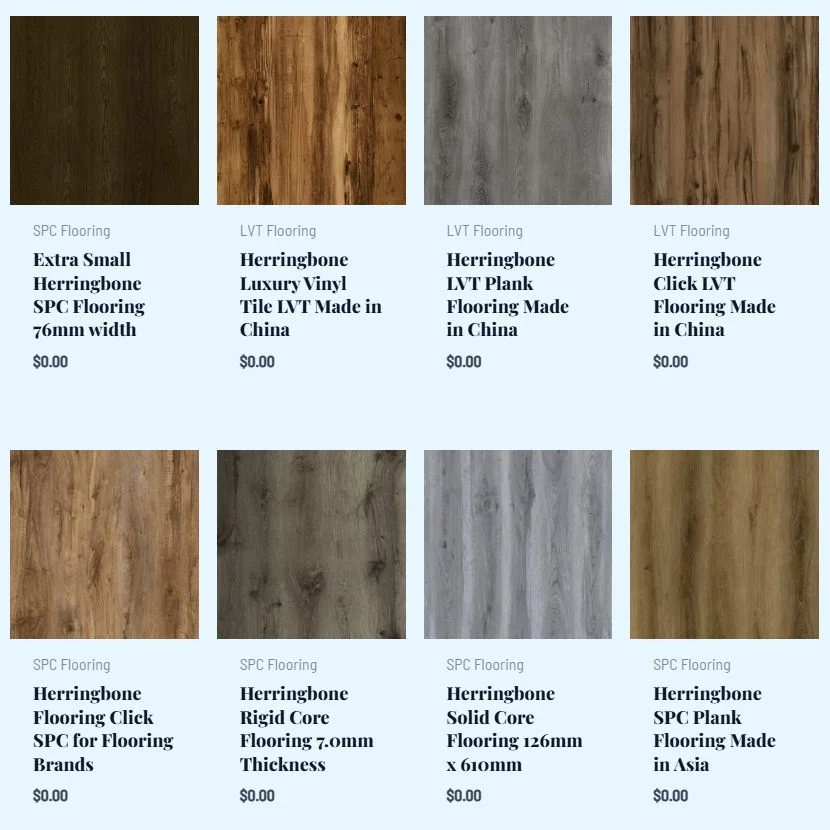
One of the most exciting aspects of herringbone vinyl flooring trends is the wide range of color and style combinations available, allowing you to create a custom look that perfectly suits your taste and décor. One popular choice is the classic combination of rich, dark wood tones such as walnut or mahogany. These deep hues add a sense of luxury and sophistication to any space, making them ideal for formal living areas, dining rooms, or offices. Pairing dark wood-look vinyl with lighter walls and furnishings can create a striking contrast that highlights the intricate herringbone pattern and adds depth to the room.
For a more contemporary and airy feel, consider opting for lighter wood tones like oak, maple, or birch. These shades can brighten up a space and create a clean, modern look that is both inviting and stylish. Light-colored herringbone vinyl flooring works particularly well in open-concept living areas, kitchens, and bedrooms, where it can help to enhance the sense of space and light. To complete the look, pair light wood flooring with neutral or pastel-colored walls, minimalist furniture, and plenty of natural light.
Another popular trend is the use of grey tones in herringbone vinyl flooring. Grey has become a go-to color in modern interior design due to its versatility and ability to complement a wide range of styles. From cool, slate-grey hues to warmer, greige (grey-beige) tones, grey herringbone vinyl flooring can add a contemporary and sophisticated touch to any room. This color works particularly well in industrial or urban-inspired spaces, where it can be paired with metal accents, exposed brick, and bold, statement pieces. Grey flooring can also serve as a neutral backdrop for more colorful décor, allowing you to experiment with different design elements without overwhelming the space.
Cost Considerations for Herringbone Vinyl Flooring
When planning a flooring renovation, it’s important to consider the cost implications of your chosen material. Herringbone vinyl flooring is generally more affordable than traditional hardwood flooring, making it an attractive option for budget-conscious homeowners. The cost of vinyl flooring can vary depending on factors such as the quality of the material, the complexity of the design, and the brand. On average, you can expect to pay between $2 to $5 per square foot for vinyl planks, with higher-end options potentially costing more. This price range makes herringbone vinyl flooring a cost-effective choice for achieving a high-end look without breaking the bank.
In addition to the cost of the materials, it’s important to factor in the cost of installation. While herringbone vinyl flooring can be a DIY-friendly project, hiring a professional installer can ensure a flawless finish, especially given the precision required for the herringbone pattern. Professional installation costs can vary based on factors such as the size of the area, the complexity of the pattern, and the region. On average, you can expect to pay between $3 to $7 per square foot for professional installation. Be sure to obtain multiple quotes from reputable installers to find the best price and ensure quality workmanship.
Finally, consider the long-term cost benefits of herringbone vinyl flooring. Its durability and low-maintenance nature mean that you won’t have to spend as much on repairs, refinishing, or regular upkeep compared to other flooring options like hardwood or carpet. Additionally, vinyl flooring’s resistance to moisture and stains can help prolong its lifespan, reducing the need for frequent replacements. By investing in herringbone vinyl flooring, you can enjoy a beautiful and long-lasting floor that offers excellent value for money and enhances the overall appeal of your home.
Conclusion: Elevate Your Space with Herringbone Vinyl Flooring
In conclusion, herringbone vinyl flooring is an exceptional choice for homeowners looking to combine style, durability, and affordability in their interior design. Its unique pattern and wide range of color and finish options make it a versatile and elegant flooring solution that can complement any décor. The benefits of herringbone vinyl flooring, including its resistance to wear and tear, ease of maintenance, and cost-effectiveness, make it an attractive alternative to traditional hardwood, laminate, and tile flooring.
By staying informed about the latest trends and taking advantage of the numerous design possibilities, you can create a custom look that reflects your personal style and enhances the beauty of your home. Whether you prefer the classic appeal of dark wood tones, the modern feel of light-colored planks, or the contemporary sophistication of grey hues, herringbone vinyl flooring offers endless opportunities to transform your space.
As you embark on your flooring renovation journey, consider the long-term benefits and value that herringbone vinyl flooring can bring to your home. With its combination of aesthetic appeal, practical advantages, and cost savings, this flooring option is sure to elevate your space and provide a stunning showcase of style and functionality. So, get ready to redefine your home with herringbone vinyl flooring and enjoy the timeless elegance and modern convenience it has to offer.