
So, you’re looking to buy some plywood and wondering what the big deal is? You’re not alone. Plywood can seem a bit mysterious with all its different grades and types, but understanding it is the key to getting the right material for your project without wasting money or ending up with something that won’t hold up. Think of this as your no-nonsense guide to navigating the world of plywood, from understanding what makes it tick to how to spot a good deal.
Getting to Grips with Plywood Basics
At its heart, plywood is pretty clever. It’s made from thin layers, or ‘veneers,’ of wood glued together with their grain running in alternating directions. This cross-grain construction is what gives plywood its strength and stability. Unlike a single piece of solid wood, which can warp, twist, or crack along the grain, plywood’s layered structure acts like a natural stabilizer. The more layers, the stronger and more stable it generally is. The type of wood used for these veneers can vary, impacting everything from strength to appearance and cost. Common choices include hardwoods like oak or birch and softwoods like pine or fir. The glue used is also important, especially for projects exposed to moisture; you’ll encounter different adhesive types specifying their resistance to water and heat.
The Nuts and Bolts: How Plywood is Made
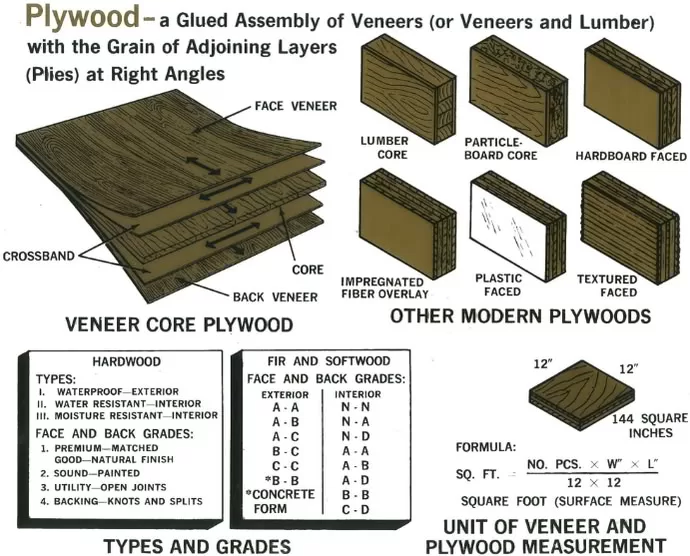
The process starts with logs. These are peeled into thin sheets of veneer. Imagine it like unrolling a giant log into a continuous ribbon of wood. These veneers are then inspected and sorted. The best, smoothest veneers are reserved for the outer layers, called ‘face’ and ‘back’ veneers, as these will be the most visible. The inner layers, known as ‘core’ or ‘crossband’ veneers, can be of lower quality. They are then arranged with their grain perpendicular to each other – this is the crucial cross-laminating step. Finally, the stack of veneers is impregnated with adhesive and then pressed under high heat and pressure. This hot pressing bonds the layers together into a solid, rigid sheet of plywood.
Understanding Plywood Grades: What Do Those Letters Actually Mean?
You’ll often see plywood described with letters like A, B, C, and D. These aren’t just random labels; they refer to the quality of the wood veneer on the face and back of the panel. Generally, the alphabetical scale goes from best to worst.
Face Veneer Grades
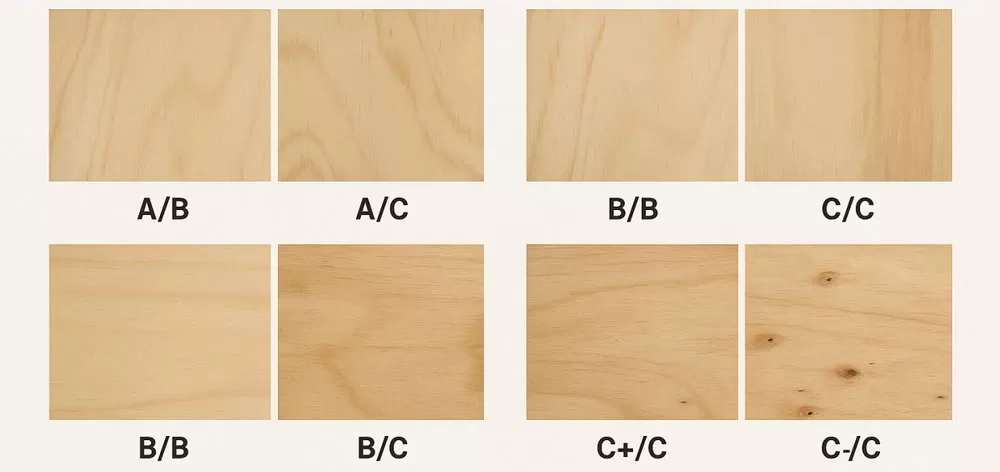
- A: This is the highest grade for face veneers. Expect a smooth, uniformly colored surface with minimal defects. Knots are usually small, well-matched, or not present at all. It’s ideal for any application where appearance is important, like cabinets or furniture.
- B: Still a good face grade, but you might see some minor imperfections. These could include slightly larger or more numerous knots, a few small splits, or some minor discoloration. It’s a good choice for projects where a flawless finish isn’t critical but a decent appearance is still desired.
- C: This grade allows for more significant imperfections. You’ll likely see larger knots, more open splits, and potentially some veneer patches. It’s generally used where appearance isn’t a primary concern.
- D: This is the lowest grade for face veneers. It’s characterized by open defects, large knots, and significant imperfections. It’s typically used for structural purposes where the surface won’t be seen.
Back Veneer Grades
Back veneers often have their own grading system, sometimes using the same letters but with the understanding that they are for the unseen side.
For example, an “AC” grade means an A-grade face and a C-grade back. “AB” would be an A-grade face and a B-grade back.
Different Types of Plywood: It’s Not All the Same
Beyond the grades, there are also different types of plywood designed for specific purposes. Mixing these up can lead to project headaches.
Hardwood Plywood
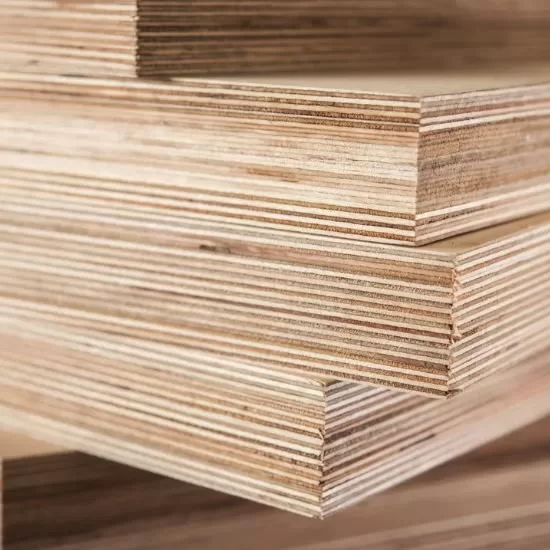
Hardwood plywood uses hardwoods like oak, maple, or birch for its veneers. This makes it denser, stronger, and more durable than softwood plywood. It also often has a more attractive grain pattern, making it a popular choice for furniture, cabinetry, and decorative paneling. It tends to be more expensive but offers superior performance.
Softwood Plywood
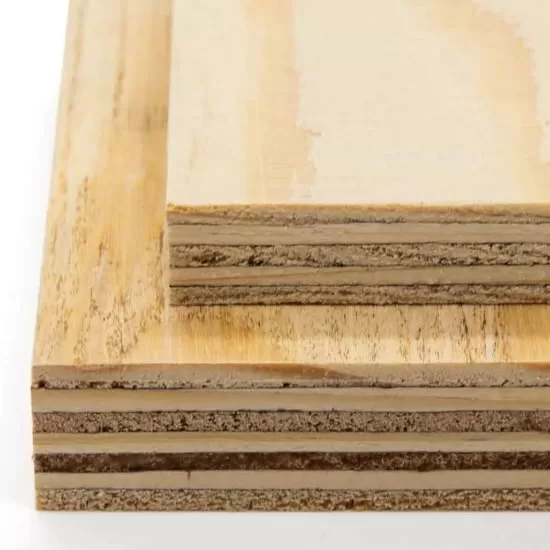
Softwood plywood uses woods like pine, fir, or spruce. It’s generally lighter and less expensive than hardwood plywood. It’s a very common choice for construction purposes, like subflooring, sheathing walls and roofs, and general utility projects where strength and cost-effectiveness are the main drivers.
Marine Grade Plywood
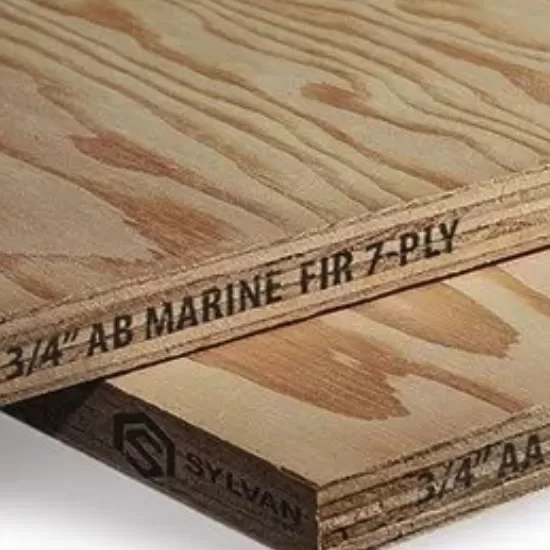
This isn’t just a fancy name. Marine grade plywood is constructed with waterproof glue and uses a specific, usually hardwood, veneer to minimize voids within the plies. This makes it highly resistant to delamination and rot caused by moisture. It’s ideal for boat building, exterior applications, and anywhere that constant exposure to water is a risk.
Exterior Grade Plywood
Similar to marine grade in its water resistance, exterior grade plywood uses adhesives that are designed to withstand outdoor conditions. However, it might not have the same stringent internal void limitations as marine grade. It’s suitable for fencing, decking (though specific decking boards are often preferred), and other outdoor structures.
Interior Grade Plywood
Interior grade plywood uses glues that are not designed for prolonged exposure to moisture. For general interior use, like building shelves or furniture, this is perfectly adequate and more cost-effective. If you’re building something that might get damp, you’ll need to look at exterior or marine grades.
Choosing the Right Plywood for Your Project: A Practical Approach
This is where the rubber meets the road. You’ve got your project, and you need the right material. Don’t just grab the cheapest sheet if it’s not going to do the job.
What’s it for? The Project Dictates
The very first question you need to ask yourself is, “What am I building, and where will it live?”
For the Workshop and Basic Shelving
If you’re building workbenches, tool cabinets, or simple shelving units for your garage or workshop, you’re likely looking for durability and affordability. Softwood plywood, often in grades like BC or CDX (Construction Exterior), is a solid choice. For very heavy loads or if you want a smoother finish, consider cabinet-grade Birch plywood. These have sanded faces and are ready for paint or veneer.
For Furniture and Cabinetry
When appearance matters, and you want a smooth, stable surface that can be stained, painted, or veneered, hardwood plywood is often the way to go. Birch, maple, or oak veneer plywood offers excellent aesthetics. Look for cabinet-grade options with sanded faces and minimal core gaps. For drawer bottoms or cabinet backs, a less expensive utility grade might suffice.
For Outdoor Structures and Garden Projects
Anything exposed to the elements needs to be tough. Exterior grade plywood is a minimum requirement. If it’s going to be in constant contact with moisture, like planters or parts of a deck that aren’t directly walked on, marine grade is the safest bet, though it comes at a higher price. Ensure it’s well-sealed if you choose exterior grade.
For Structural Applications (Walls, Roofs, Floors)
For structural sheathing, think about strength and structural integrity. Softwood plywood, often referred to by its construction grade like AC, BC, or CDX, is standard. The “X” in CDX, for example, indicates it’s suitable for exterior use (hence the resistance to water glue), but it’s primarily for structural, not aesthetic, purposes.
Beyond Grade: Other Features to Consider
Don’t get fixated just on the A-B-C grades. Other things matter too.
Core Construction: Voids Matter
Plywood can have small gaps or “voids” in its inner layers. For structural projects, a few small voids are usually fine. However, for projects where you’re screwing into the edge or where the surface needs to be very smooth without telegraphing imperfections, look for plywood with a “solid core” or “void-free” construction. This is more common in hardwood and cabinet-grade plywood.
Thickness and Panel Size
Plywood comes in various thicknesses, from a thin 3mm to a substantial 25mm or more. The thickness you need depends entirely on the load it will bear and the span it needs to cover. Always consult building codes or project-specific guidelines for recommended thicknesses. Standard panel sizes are usually 4’x8′ (1.2m x 2.4m), but you might find other dimensions.
The Benefits of Sourcing Plywood from China
It’s a common question: where do you get your plywood? China has become a significant global supplier, and there are reasons why.
Cost-Effectiveness
Generally, plywood sourced from China can be significantly more cost-effective than from domestic suppliers. This is due to factors like labor costs, economies of scale in manufacturing, and the availability of raw materials. This can make a big difference, especially for larger projects or if you’re a contractor managing budgets.
Wide Range of Options
Chinese manufacturers produce a vast array of plywood types and grades. From commodity construction plywood to higher-end hardwood veneers and specialized panels, you’ll find a wide selection. This breadth allows you to source various materials for different needs from a single region, simplifying logistics.
Manufacturing Expertise
Over the years, Chinese plywood manufacturers have developed significant expertise in production techniques. They’ve invested in modern machinery and quality control processes to meet international standards. This means you can often find high-quality products, even at competitive prices.
How to Identify Quality Plywood: Your Inspection Checklist
You’re at the yard or showroom. How do you tell a good sheet from a dud?
Visual Inspection: The Surface Story
Start with the surfaces. For the grade you’ve chosen, are the veneers smooth and consistent? Are there any splits or large knots that shouldn’t be there? If you’re buying hardwood plywood, look at the grain pattern – is it attractive and well-matched? Check both sides, even if one is designated as the back.
Edge Check: A Peek Inside
Run your hand along the edge of the plywood. Can you easily see gaps or voids between the layers? For structural or high-performance applications, you want minimal voids. Some small, tight splits are normal, but large, open ones are a sign of lower quality.
Weight and Rigidity: Does it Feel Solid?
A good quality sheet of plywood should feel substantial for its size and thickness. Pick up a corner; it shouldn’t feel overly flexible or flimsy. Heavier plywood generally indicates denser wood and potentially more plies, suggesting greater strength.
Look at the Labels and Certifications
Reputable manufacturers will have clear labels indicating the grade, type, and sometimes the species of wood used. Look for any certifications, like those related to structural grading or sustainability, which can provide an extra layer of assurance.
Comparing Plywood Prices and Suppliers: Getting the Best Value
Buying plywood isn’t just about the cheapest price per sheet. It’s about value for money.
Understand the Price Breakdown
Price differences come from several factors: grade (A-grade is more expensive than D-grade), wood species (hardwood is pricier than softwood), thickness, core quality (void-free is more expensive), and whether it’s interior or exterior grade. When comparing, make sure you’re comparing apples to apples.
Shop Around: Local vs. Online vs. Bulk
Your local lumberyard is a great place for knowledgeable advice and quick pickup for smaller jobs. Online retailers might offer more competitive prices, especially for bulk orders, but factor in shipping costs. If you’re a contractor or working on a large project, buying in bulk directly from a manufacturer or a large distributor will likely yield the best per-sheet price.
Ask About Guarantees or Returns
What happens if you get home and discover a batch of plywood is defective? Good suppliers will have a clear return policy. Don’t be afraid to ask about this before you buy.
Common Specifications in Plywood
| Specification Category | Description / Typical Values |
|---|---|
| Thickness Range | Common nominal thicknesses: 3mm, 6mm, 9mm, 12mm, 15mm, 18mm, 21mm, 25mm. Actual thickness slightly below nominal (e.g., 12mm ≈ 11.5mm). |
| Veneer Grades | A, B, C, D grades: A = best face; B = smooth; C = visible defects; D = inner/back only. Panels named face–back (e.g., A‑C, C‑D). |
| Exposure Rating | Exterior (permanent weather), Exposure 1 (waterproof glue for construction moisture), Exposure 2, Interior. CDX = C‑D Exposure 1. |
| Bonding Quality | ISO 12465 defines bonding for dry, tropical dry/humid, and high‑humidity / exterior conditions; requires WBP (Water & Boil Proof) adhesives for exterior. |
| Panel Construction | Cross‑laminated veneers, usually odd number of plies (3, 5, 7…). A balanced layup is required to prevent warping. |
| Mechanical Properties | ISO 12465 specifies: bending strength, modulus of elasticity, shear strength, density, dimensional tolerances. Values vary by species group. |
| Span Ratings | Structural panels use ratings like 32/16, 48/24, Sturd‑I‑Floor (e.g., 20 oc). Indicates max roof/floor support spacing. |
| Surface Appearance | ISO classification by surface appearance: hardwood plywood uses decorative veneers (birch, oak, maple). |
| Specialty Types | Marine (BS1088), Fire‑retardant, Flexible plywood, MDO/HDO, Shuttering plywood for concrete formwork. |