
Shaw Industries has pioneered a new testing approach to identify per- and polyfluoroalkyl substances (PFAS) within production materials. This new environmental approach arises from the concern that current testing standards that has been applied into manufacturing were inadequate to prevent leak use of PFAS in manufacturing.
The company stated that this development of new testing methods is a direct result of continuous commitment to prevent PFAS contamination in from manufacturing operations. For as early as January 2019, Shaw had already eliminated the use of PFAS-based substances for soil and stain resistance treatments across all its U.S. carpet manufacturing facilities. Following this, they have also mandated all third-party suppliers to be free of PFAS.
The Need for Enhanced Scrutiny
However, Shaw’s environmental division realized that further preventive measures were crucial, even after the initial steps were taken. The company discovered that suppliers were sometimes unaware about the presence of PFAS in their raw materials. Furthermore, current testing standards often failed to accurately detect PFAS in semi-finished raw materials.
Addressing the Limitations of Existing Protocols
“Materials acquired by us would often test negative for PFAS when subjected to established drinking water testing methods,” explained Kellie Ballew, Vice President of Environmental Affairs. “We determined that drinking water testing was unreliable for detecting PFAS in soaps, oils, resins, and diverse solid materials – essentially, anything beyond potable water sources.”
Ballew also noted that the absence of an appropriate testing framework for these materials prompted Shaw to engineer their unique methodology to overcome this deficiency.
Understanding PFAS
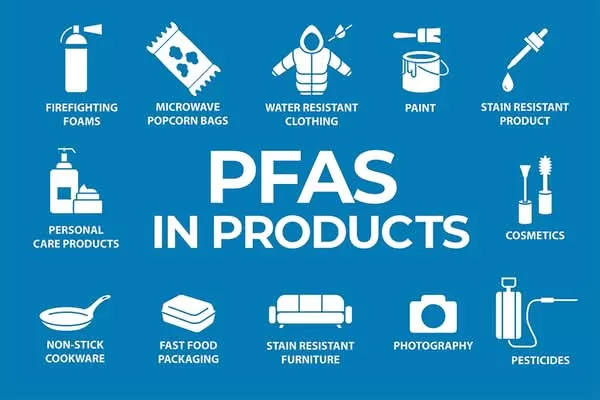
PFAS represent a diverse group of thousands of chemicals extensively utilized across various industrial and consumer domains since the 1940s. They are commonly present in items like food containers, beauty products, personal hygiene items and a plethora of other everyday commodities.Exposure to PFAS may be associated with increased risk of cancer. A large-scale study on exposure to PFAS in humans and rodents showed consistent evidence of liver damage. In addition, PFAS are known to accumulate in body tissues such as in the liver.