
With increasing market competition within the flooring market, flooring businesses are actively looking for new strategies and actions to improve business sales and profitability. As market remains very challenging for both brands and retailers, new strategies needs to be explored to ensure long term business sustainability and growth.
Here are some business strategies to consider for flooring businesses. These 6 strategies could potentially improve flooring businesses profitability.
6 Strategies for Flooring Businesses
| # | Strategy | Profit Lever | Description | Expected Outcomes |
|---|---|---|---|---|
| 1 | Add-on New Product and Service | Revenue | Adding new product and service provide a more convenient one stop shipping solution for potential customers. With more comprehensive products and services for customers, new business sales and revenue can be generated from both current and new potential customers. By adding new products across the flooring categories, customers can easily purchase more products across different range of products. New services such as interior designing, installation, and other non-tangible added value can help to improve customer experience and solutions to attract business opportunity through contract and projects. | Generating new business opportunities with new revenue generation. |
| 2 | Implement New Pricing Strategies | Revenue/Profit Margin | New pricing strategies in flooring products can support new business and sales. However, whether increasing pricing or reducing pricing, it is a double blade that has impact on both ends. Product positioning and market segments determines the price sensitivity and flooring businesses need to understand where they are positioned at to maximise profit (not necessary revenue). | Improving profitability with minor reduced sales volume or improving total profit through bulk sales. |
| 3 | Reduce Inventory Cost Control | COGS | Reducing cost of good sold is a major factor to product competitiveness in the market. By exploring for new suppliers and establishing new sourcing channels to effectively reduce cost of purchasing for flooring products. | Reduced cost of flooring can improve profit margin or sales through competitive pricing. |
| 4 | Launch New Customer Product Mix | Revenue | Creating new product mix allows for a more comprehensive product range/collections to support capturing of new customer demands. Different level of product mix can capture different market niche which can improve sales through expanded sales channels. | Increase product sales through new customer product mix. |
| 5 | Utilising Labour Costs | Operating Expenses | Labour is a significant part of business operation, whether you are a flooring distributor, builder or contractors. Flooring businesses explores ways to utilise and reduce labour costs through investments for tools and innovative managing systems. | Improving efficiency in operation reduces operating expenses. |
| 6 | Improving Marketing Efficiency and Effectiveness | Operating Expenses | Tools to improve marketing efficiency. Whether its through participating exhibitions, investing in B2B or B2C channels, or improving brand SEO impacts. | Generating sales lead and expand brand influences / impacts. |
1. Add-on New Products & Services
Many flooring businesses are facing challenges to grow their business further. One of the core reasons for this challenge is due to limited products and services. By expanding on with add-on new products and services, it supports the business with more product offering and service solutions. These add-on product and services supports clients with improving conveniences and value.
Common Product Categories for Flooring Businesses
- Hardwood and Engineering Wood Flooring
- Resilient Vinyl Flooring
- Carpet Flooring
- Laminate Flooring
- Stone, Marble, and Tiles
- Decking
- Accessory Molding for Floorings
Expanding with Diversified Building Material Products
To continue expanding its business, a flooring business can also expand its product categories into other non-flooring product lines. These may be building material products focus also in interiors or beyond to exteriors. Some common product categories for diversified product lines for flooring businesses includes (but not limited to) the following:
- Wall Panels
- Drywall Screw Hardware
- Siding
- Roofing Materials
- Kitchen & Bathroom Fixtures
- Counter Tops & Vanities
- Lighting & Lighting Fixtures
- Windows
- Door
- Turf Grass
Common Service Categories for Flooring Businesses
- Flooring Installation, Removal, and Replacement
- Floor Repairing
- Project Designing
2. Implementing New Pricing Strategies
Implementing new pricing strategies can be a bit tricky as different flooring businesses has different type of customers. Some customers are more price sensitive, while other type of clients focuses more on quality and top level services. It is not easy to distinguish whether new pricing strategies would be associated with increasing price or decreasing price, but rather, it has to do more with business development strategies that the flooring business would like to execute.
The Pricing Strategy Matrix demonstrate 4 pricing strategies derived from current product price to future product price matrix.
- Penetration Pricing Strategy
- Premium Pricing Strategy
- Price Skimming Strategy
- Loss Leader Strategy
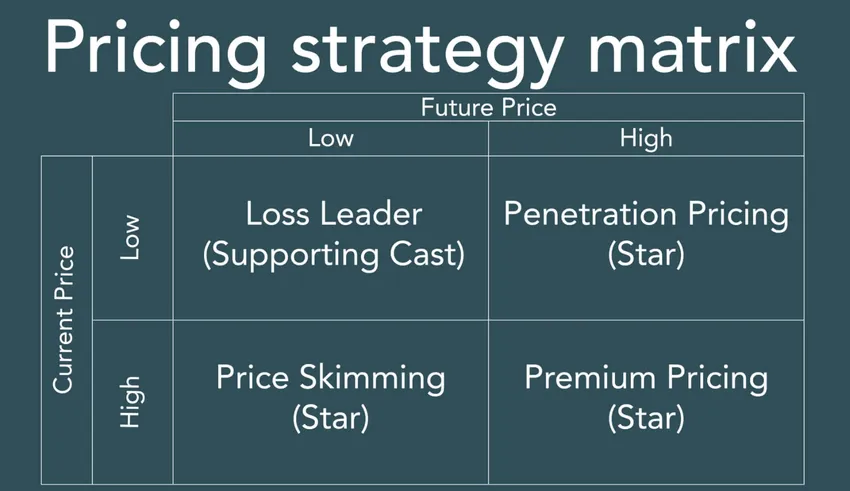
There are also other pricing strategies such as bundle pricing, product line pricing, and optional pricing strategies. The recommendation for flooring business is to take consideration on both current customer bases and future prospect new target customers. Depending on the targeted customer segment, setting a price strategy that works with these customers (audiences). Some pricing strategies needs to work jointly with new products and services mix.
3. Reduce Inventory Cost Control
For many flooring businesses, whether a flooring retailer or flooring distributor, a critical factors to profitability is inventory costs, the purchasing costs of stocked flooring products (Cost of Good Sold). In general, the cost of good sold is associated with costs of direct materials, labour for managing the goods, facilitating overhead, freight-in expenses, and packaging. For flooring retailers and distributors, the top majorities of costs is associated with direct material costs which is generated from buying flooring products from suppliers.
For many flooring businesses, one of the most effective way to reduce COGS is through self direct sourcing of flooring products with original manufacturers. These manufacturers are generally based in Asia, whether its from China, Vietnam, Thailand, Korea, Taiwan, or other parts of Asia. With direct sourcing from OEM flooring manufacturers, the flooring business, in essence is cutting out the middle distributors, and can fully access to the lowest possible prices for their product purchases.
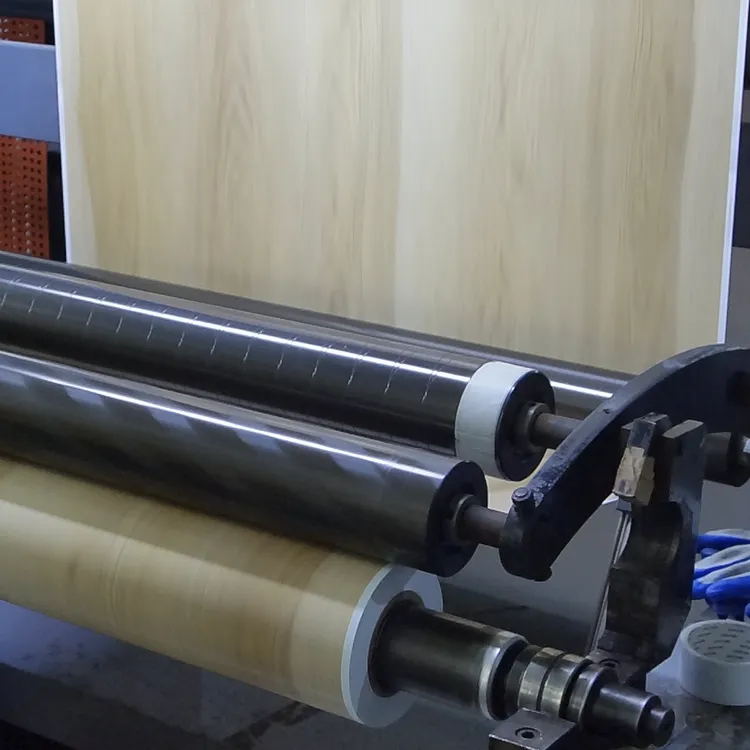
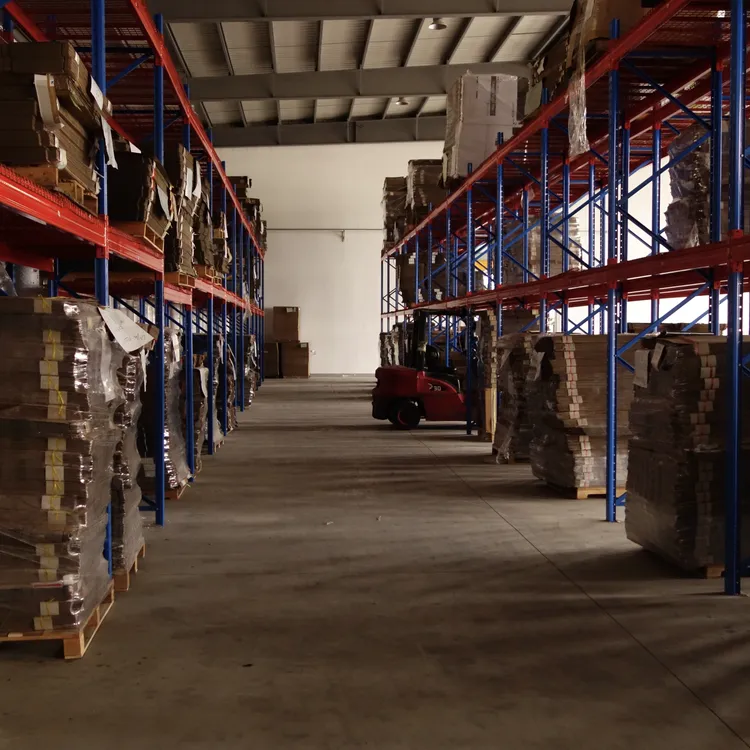
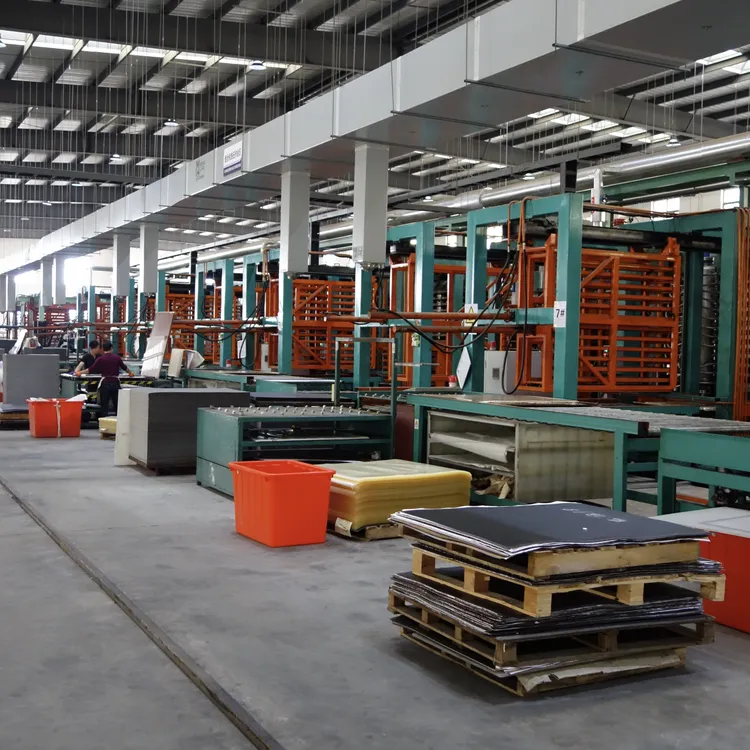
Sourcing flooring products from Asia is a major mile step for flooring businesses that wanted to be more independent from major brand’s products. By accessing directly with flooring exporters across Asia, flooring business can start establishing its own private label. This strategy not only reduce the overhead costs in inventory, but further expand for new business opportunities. Many flooring businesses started small, and gradually with its own product lines, starts to grow exponentially through regional and national wide distributions.
How to start Importing Flooring Materials from Asia?
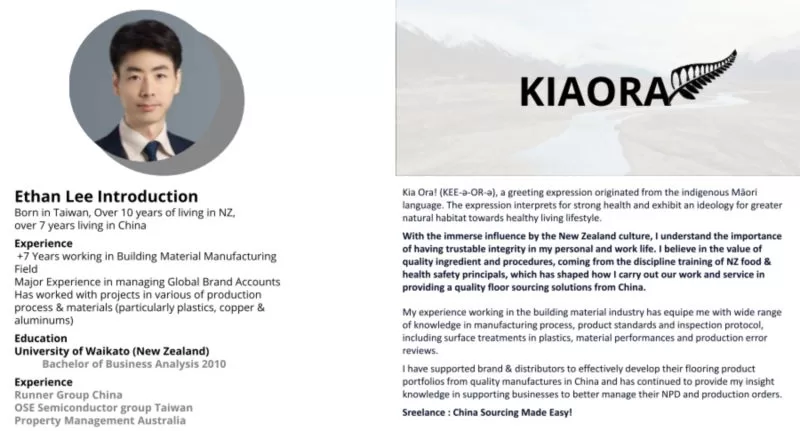
Finding a quality flooring OEM factory from Asia is easy when working with Sreelance Material Technology. As Sreelance works like a collectively buying group, it help individual flooring importers to make purchase with bulk quantity prices. Ethan Lee, the founder of Sreelance, is a well experienced sourcing agent that helps global flooring businesses to procure products across Asia. The business was established with providing exceptional Services, leading quality Standards, and effort Saving trading for global importers. Hence the three (Sree) S value.
4. Launch New Customer Product Mix
New customer product mix is associated with providing different level of products. From entry price lines, to mid range lines, and premium range lines. By providing different level of grades, new customers across different levels can be captured. By building a more comprehensive customer product mix, flooring businesses are more capable to fulfil different product needs and market niche.
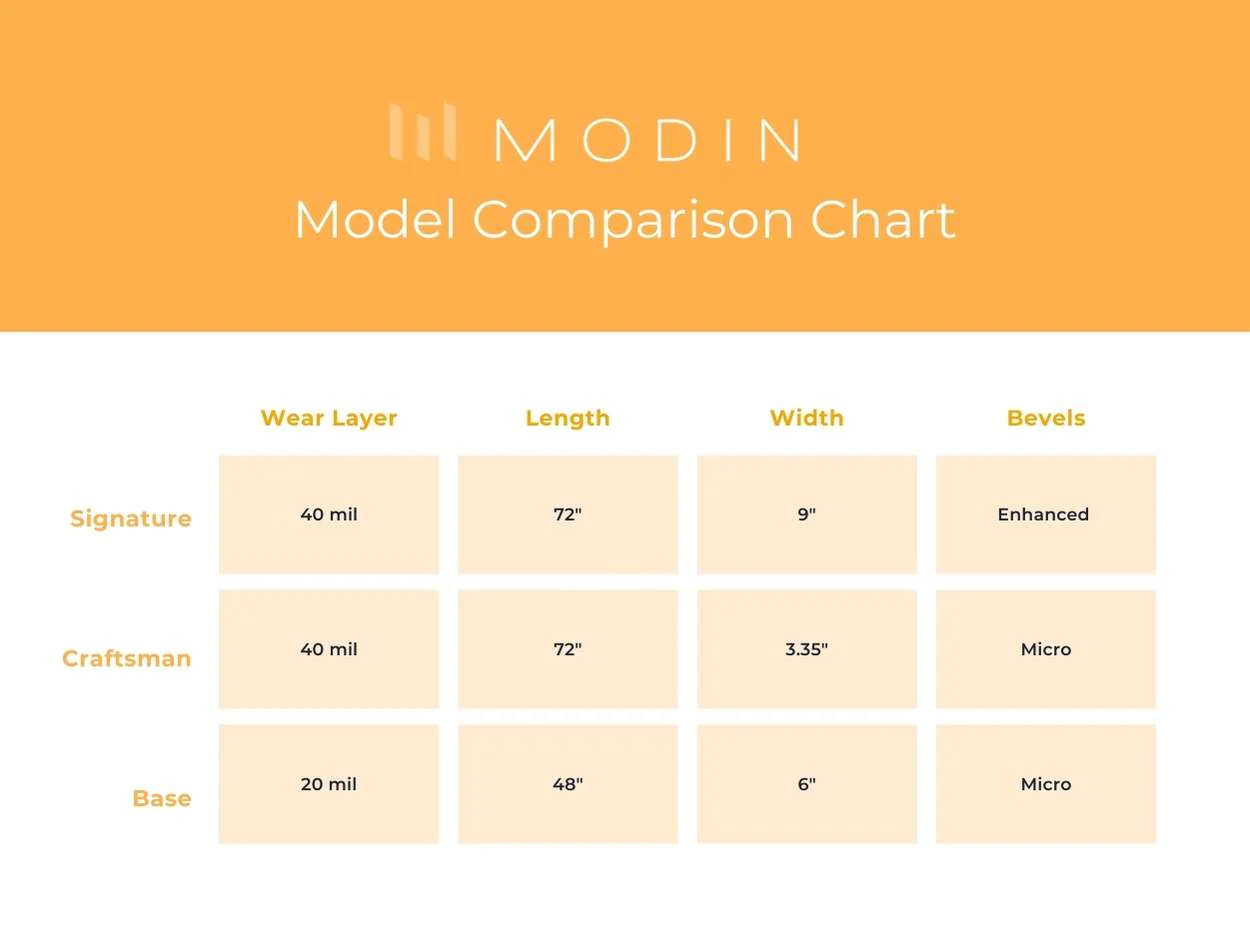
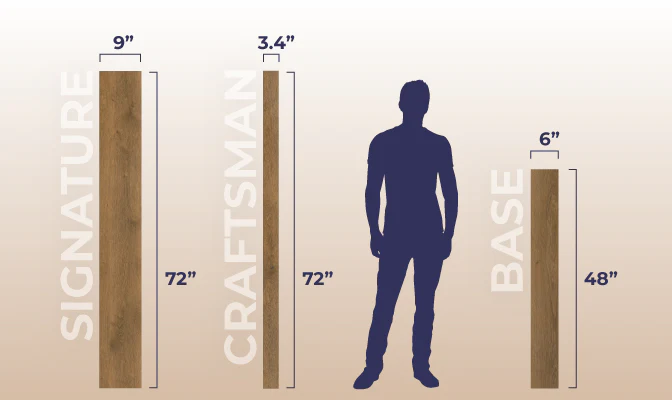
Below is an excellent example by Flooret in United States. The Modin collection by Flooret provide different range of vinyl flooring. The Signature range provide extra large vinyl planks with 9″ width by 72″ length. The Craftsman range provide an exotic narrow width plank 3.4″ wide by 72″ length. While the Base range provide the standard size with 6″ width by 48″ length. Each of these plank size target different customer segments. The extra large planks and narrow (skinny) width vinyl planks are more premium and comes with 40mil protective wear layer. With standard plank size range, Flooret has position them as the commodity collection with a residential grade 20mil protective wear layer.
5. Utilising Labour Costs
For any type of businesses, labour costs is a fundamental base for business operations. However, a simple reducing labour costs such as wage can easy impact the business in a negative manner. By investing and introducing new tools to utilise labour costs and efficiency is a strategy that flooring businesses needs to explore.
Conventional ways of improving labour efficiency includes in investing new tools and expanding working capacity, ie, better tools for onsite installers. However, in recent years with the continues development for AI tools, many AI agents has been created that can also support office workers with improving efficiency and ability. While many flooring businesses are seen as a traditional retailer business, there are still areas where AI can effectively support and transform the way retailers and distributors works.

Open Claw AI for example, is an open sourced AI agent that is used for automating office works. The system is designed with ability to integrate with Claude, DeepSeek, or OpenAI to create a personal assistance functions that deals with your work. There are also other types of AI agents which are designed to work with other functions of work.
6. Improving Marketing Efficiency and Effectiveness
Business expansion takes marketing and sales efforts. However, its never always easy. Investing in marketing tools and lead generating tools can improve marketing efficiency and effectiveness. Here are some of the marketing strategies that is common for flooring businesses:
- Attending Trade Shows
- E-commerce platforms and online stores
- Website Marketing through Presentation & AD Services
- Search Engine Optimisation (SEO)
- Generative Engine Optimisation (GEO)
- Marketing through Major Industry Publishers and Magazines
- Social Net Work (such as twitter, facebook, tik tok)
- Email Marketing with Lead Generating Tools (such as ConvergeHub, RocketReach, Apollo)