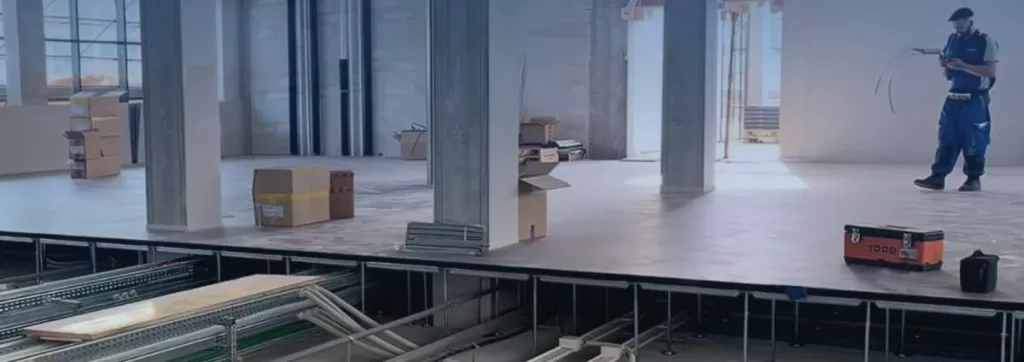
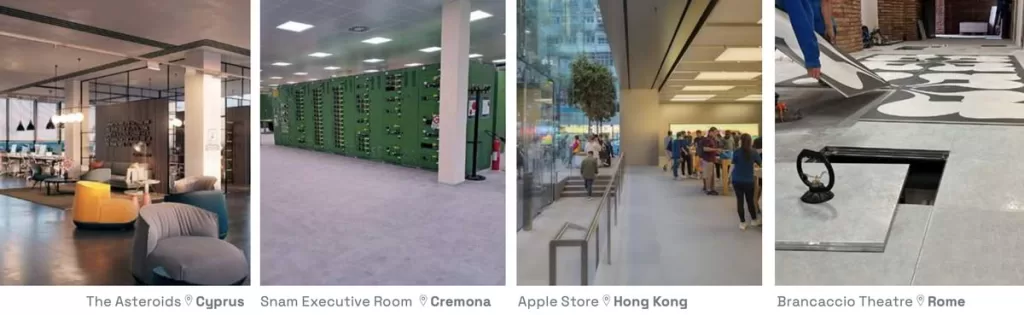
Topfloor Group is a European specialist in modular raised flooring, producing a full portfolio of panels, cores, and support structures for offices, data‑centres, clean rooms and outdoor spaces. Founded in 1984, the company combines four highly automated production lines in Italy with a strong emphasis on sustainability, certifications (ISO 9001, ISO 14001, EN 12825, PSA/MOB, LEED) and custom‑design capabilities.
Topfloor Group at a glance
Founded: 1984; Headquarters: Rome, Italy – production site in Carsoli (AQ) (≈ 5 000 m²).
Capacity: ≈ 500 000 m² / yr; ≈ 1 400 000 panels / yr (≈ 900 panels h⁻¹).
Export reach: more than 40 countries; multiple ISO and EN certifications.
Key assets: four automated lines, patented steel‑encapsulated panels (EU Patent No. 1409812), and a 40‑year market presence.
Product families
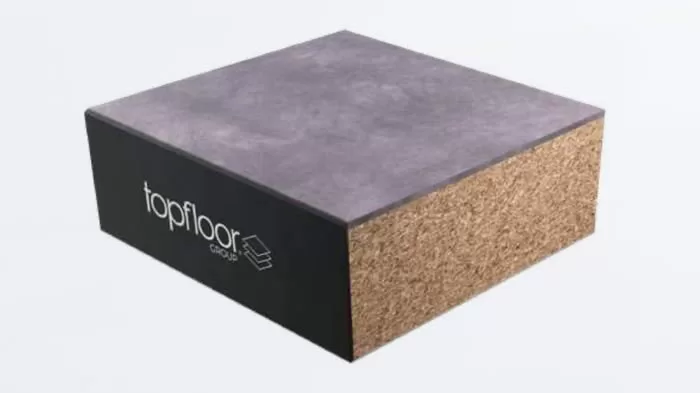
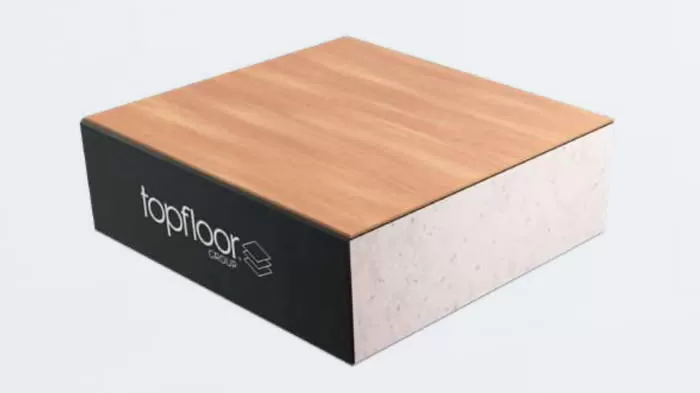
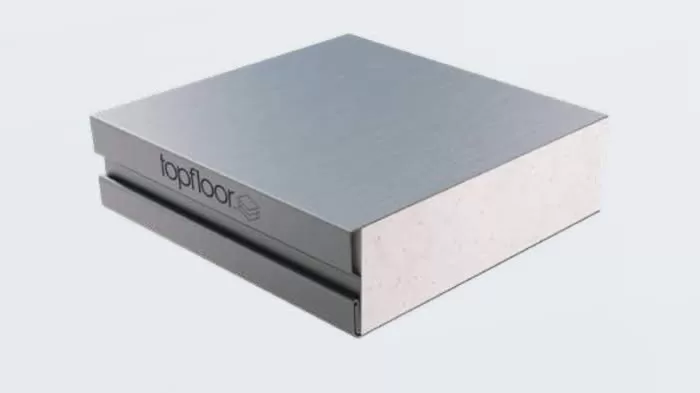
W SeriesFF SeriesGW SeriesTG SeriesDB Series
Series
Core material
Typical thickness
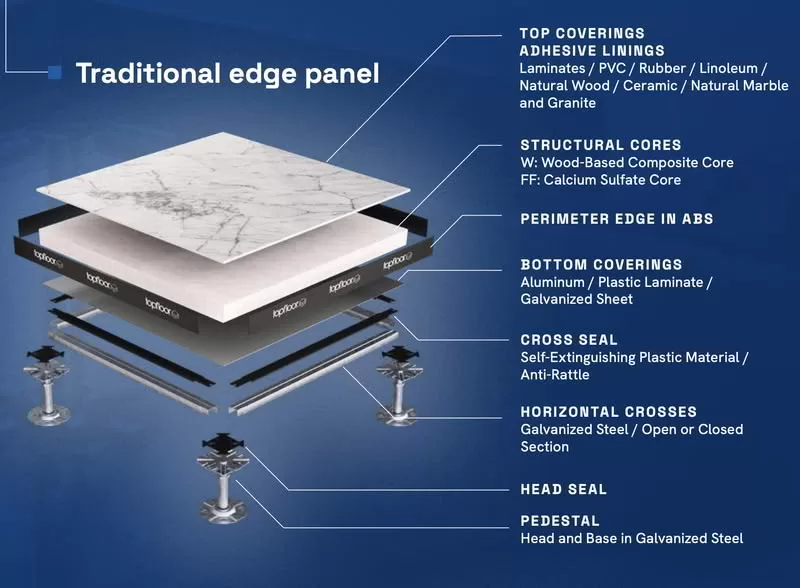
Edge / protection
Key features
W (Wood‑aggregate)
Recycled wood‑conglomerate (ρ ≈ 700 kg m⁻³)
28 mm / 38 mm
Optional galvanized steel sheet for moisture & grounding
High fire‑reaction Bfl‑s1, flexion 2.5 mm Class A, acoustic > 31 dB
FF (Calcium‑sulfate)
Anhydrous calcium sulfate (ρ ≈ 1 600 kg m⁻³)
30 mm / 34 mm
Primer + Aluminium/ PVC film, anti‑creak perimeter
Fire‑resistance REI 30‑60, electrical ≥ 10⁶ Ω, acoustic > 35 dB
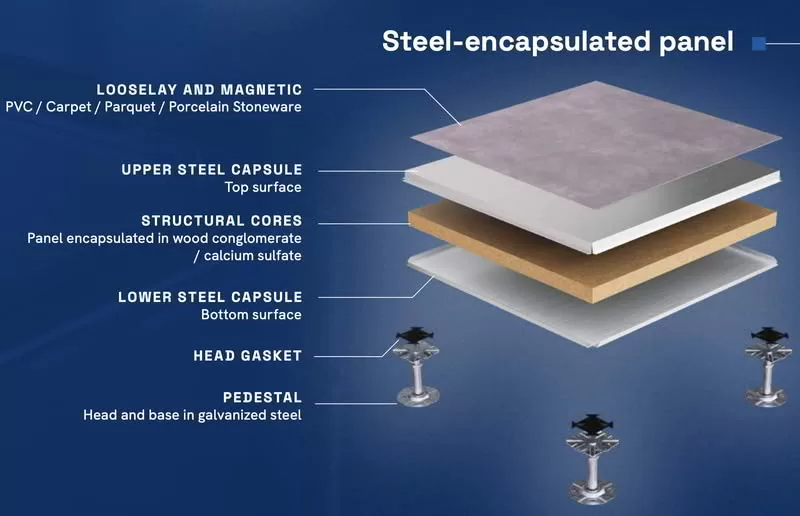
GW (Steel‑encapsulated)
Wood‑core or calcium‑sulfate core, fully encapsulated in galvanized steel
Load class 5‑6, rigidity without crossbars, seismic‑ready
GW Fusion
Same cores as GW, pre‑coated PVC film integrated on steel support
29‑30 mm
Digitalised colour/logo, anti‑slip R10, VOC A+
Rapid production, no extra finishing, high wear resistance
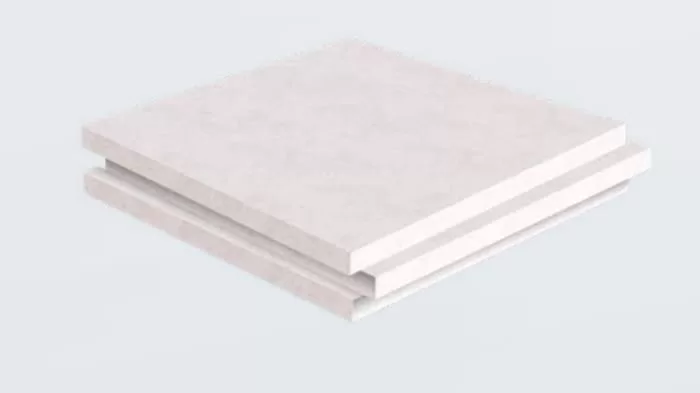
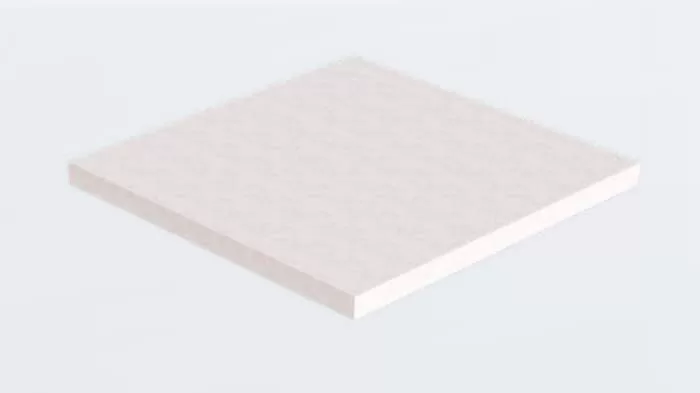
DB (Primed calcium‑sulfate, non‑edged)
Calcium sulfate (ρ ≈ 1 600 kg m⁻³)
30‑40 mm
No peripheral plastic edge; planar for self‑supporting coverings
Simple finish, fire‑reaction A1FL, high acoustic values
TG (Interlocking, primed calcium‑sulfate)
Calcium sulfate (ρ ≈ 1 500 kg m⁻³)
25‑38 mm
Interlocking edges, optional access hatches
Load class 3‑6, easy installation, suitable for heavy partitions
Bolded items highlight critical specifications such as fire‑rating, load class, or sustainability.
Standards and certifications
EN 12825 (2001) – Governs load, deflection, and testing methods. Topfloor applies a safety factor = 2 and a deflection ≤ 2.5 mm (Class A) for all panels.
LEED® – Panels contribute credits in Energy & Atmosphere, Materials & Resources, Indoor Environmental Quality, and Innovation in Design.
PSA/MOB (UK/Ireland) – Medium‑grade certification (static 4.5 kN, concentrated ≥ 3 kN) verified by BTL testing; Topfloor GW series meets the PSA specification.
ISO 9001, ISO 14001, ISO 45001 – Quality, environmental and occupational health management.
FSC® – Forest Stewardship Council certification for wood‑based cores.
Comparison of EN 12825 load classes (selected)
Load class
Minimum breaking load (kN)
Typical panel
1
≥ 4
Light‑weight W30LZ
3
≥ 8
W40, FF35/30
5
≥ 12
GW (steel‑encapsulated)
6
≥ 15
GW Fusion, high‑load GW
The table underlines how higher‑class panels achieve greater breaking loads, useful when selecting for data‑centre or seismic‑critical projects.
Structural cores
Core
Density
Formaldehyde E1 (≤ 8 mg 100 g⁻¹)
Typical thickness
Notable properties
Wood‑aggregate
≈ 700 kg m⁻³
✔︎ (low‑emission resin)
28‑38 mm
Good flexural strength, moisture barrier via galvanized sheet
Calcium‑sulfate
≈ 1 600 kg m⁻³
✔︎ (non‑combustible)
30‑34 mm
Excellent fire resistance (REI 30‑60), high acoustic absorption
HD Calcium‑sulfate
≈ 1 600 kg m⁻³
✔︎
30‑34 mm
Enhanced mechanical performance for GW Fusion
Core choice dictates panel weight, fire behaviour and acoustic performance.
Installation essentials
Step
Key actions
Material storage
Keep panels dry, sealed; temperature 5‑35 °C, RH 40‑70 %.
Site preparation
Subfloor dry (≥ 2 months after screed), clean, flat; all in‑floor services completed before floor lay.
Layout
Begin at the longest straight wall, maintain ≤ 600 mm offset from walls; use laser/spirit level; verify grid orthogonality.
Pedestal & crossbar fixing
Anchor pedestals (adhesive or mechanical); apply acoustic gaskets; for heights > 300 mm use crossbars (ST1/ST2/STH/50S).
Panel placement
Use suction cups; joint gap ≈ 1 mm; avoid corner pressure; lock panels (Corner‑Lock) where required.
Perimeter cuts
Use 55 × 60 cm or 15 cm strips; avoid very small pieces.
Finalisation
Install steps, ramps, closure strips; cover with protective film until hand‑over.
Time estimate
6 person crew ≈ 30 m² day⁻¹ (varies with access and panel type).
Following these steps ensures compliance with EN 12825 and PSA specifications.
Raised Flooring Applications
Applications
Panel choice
Features
Office / Commercial
W‑Series or FF‑Series with laminate/PVC/stone coverings
Recycling programme: Panels are collected, refurbished, and re‑certified (cost ≤ disposal). The refurbishment loop follows a circular‑process diagram (New → Used → Renewed → New).